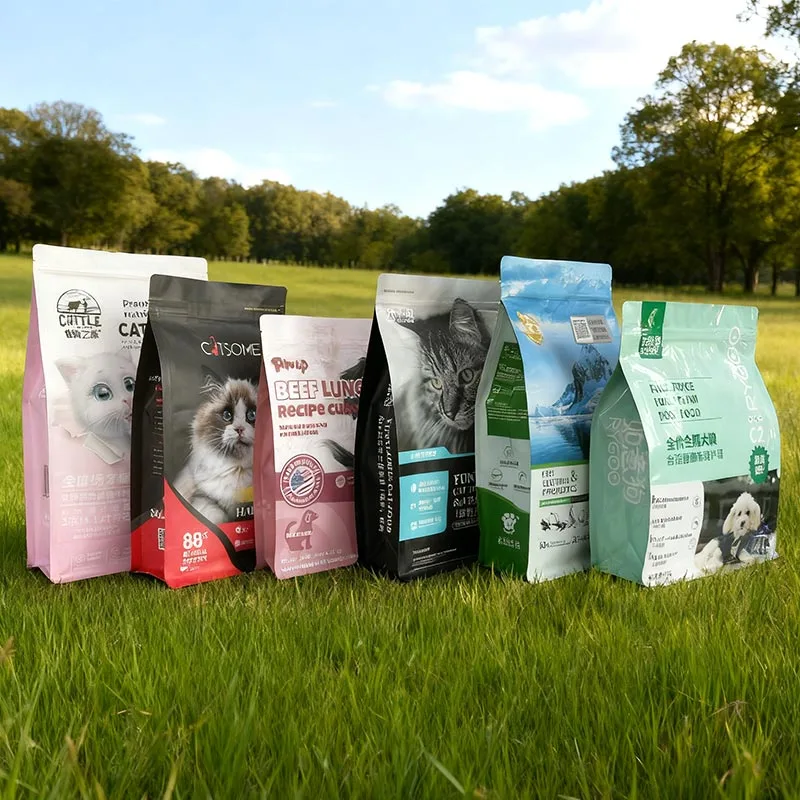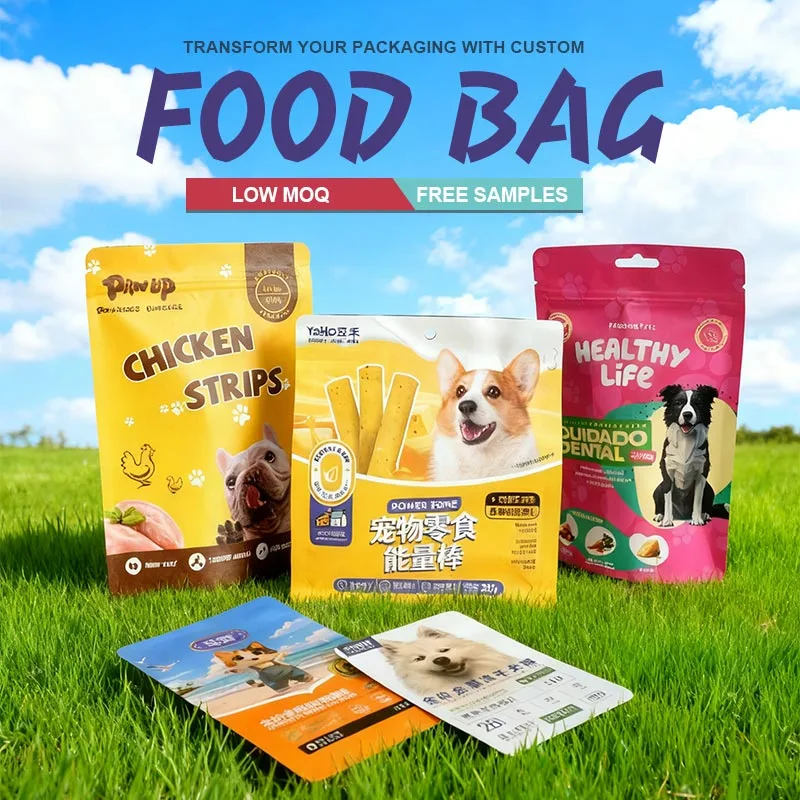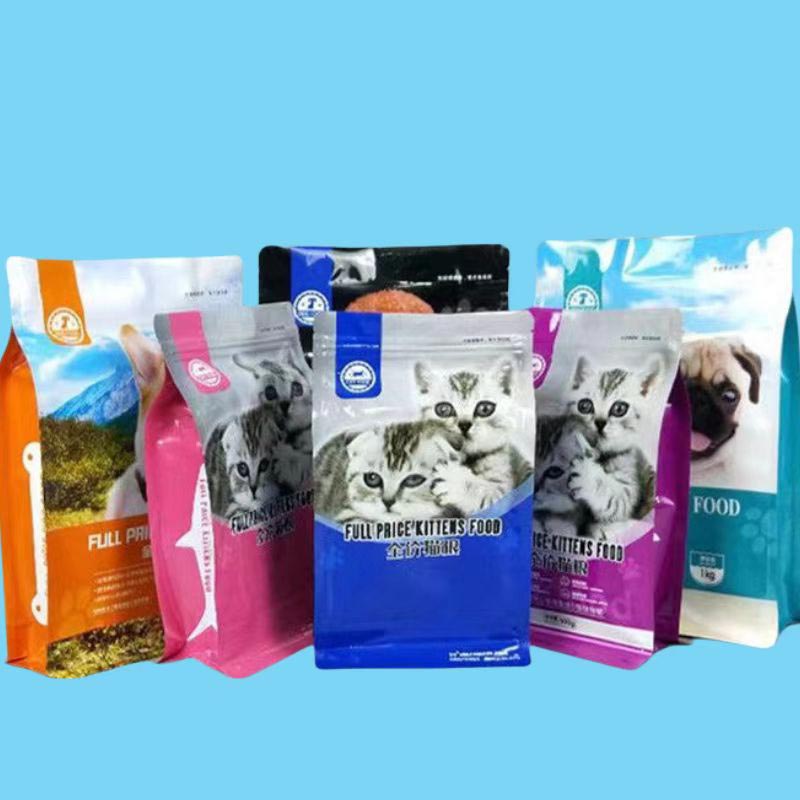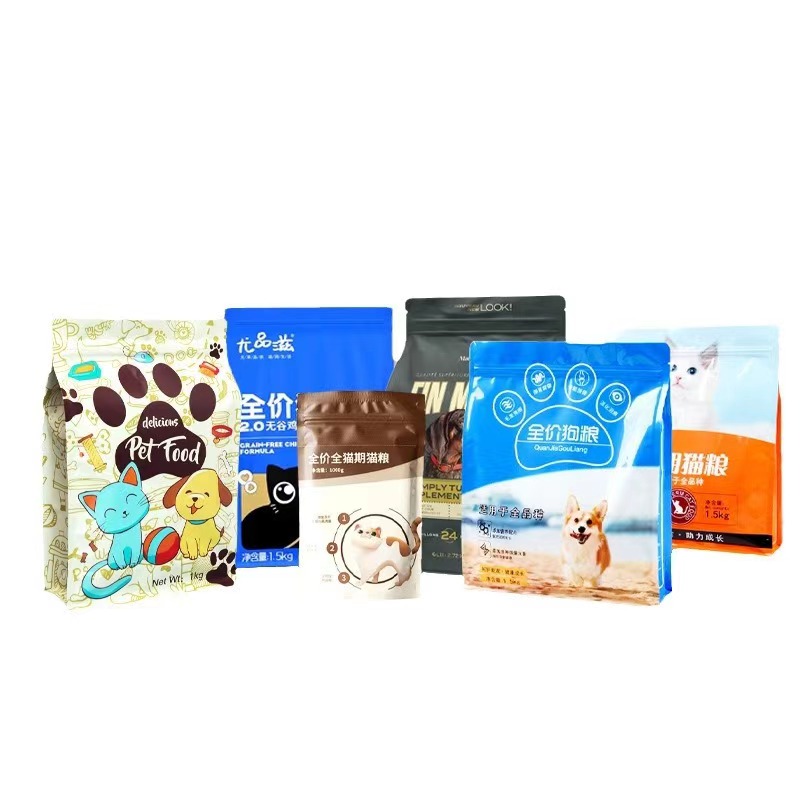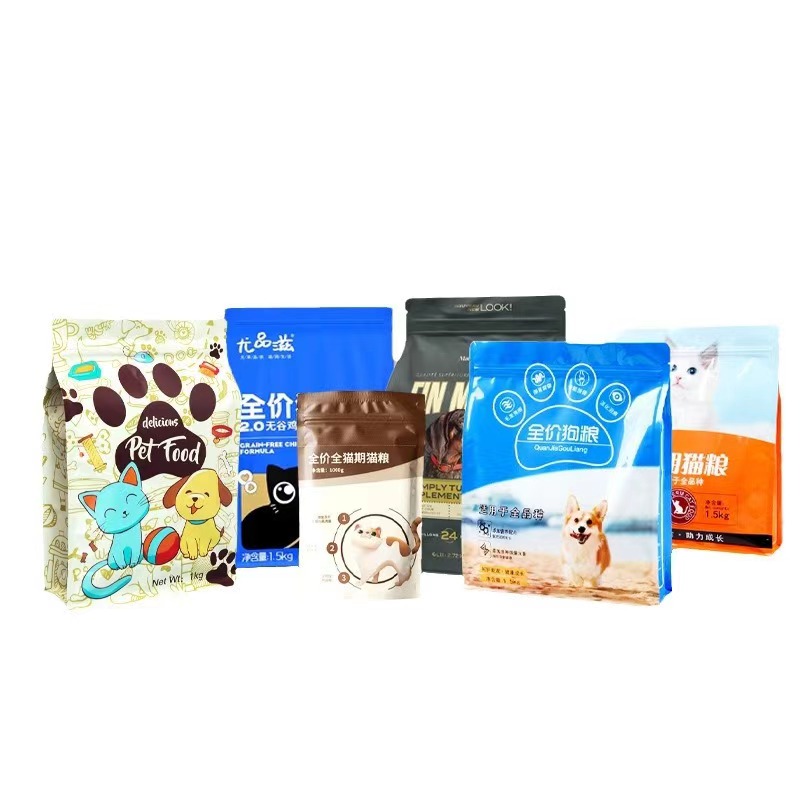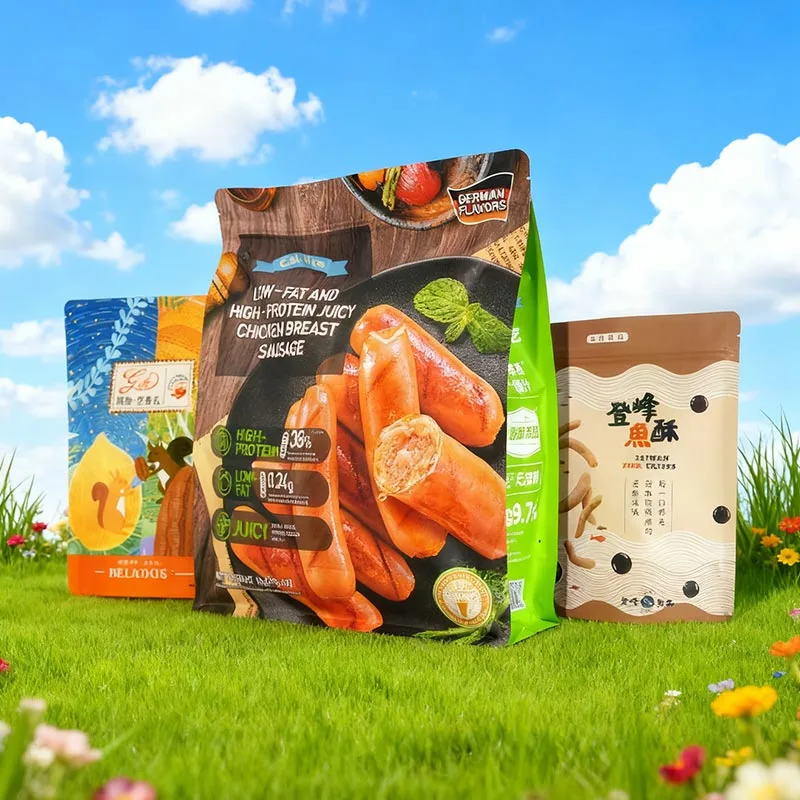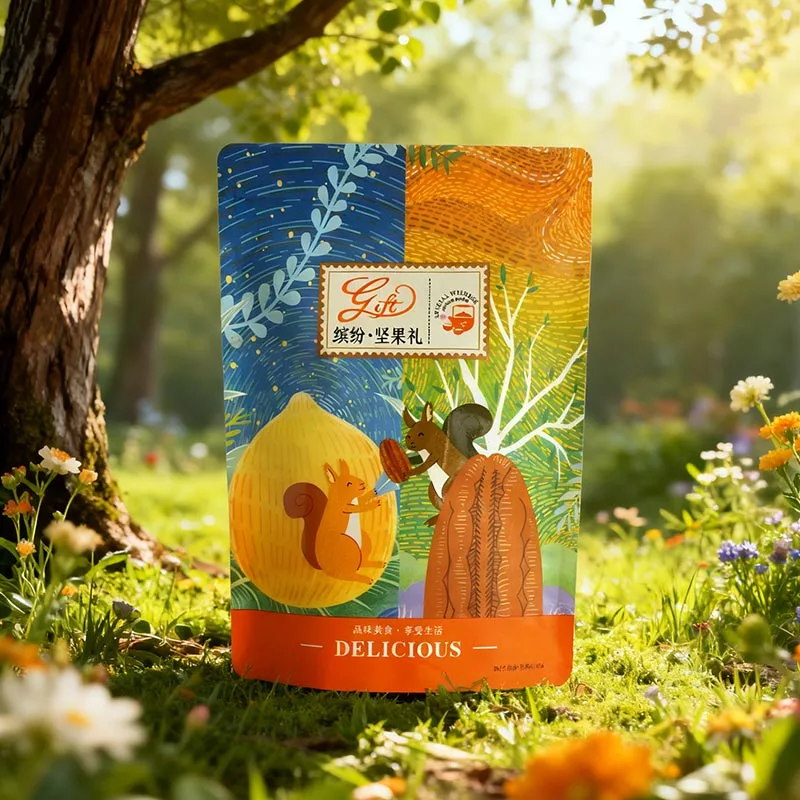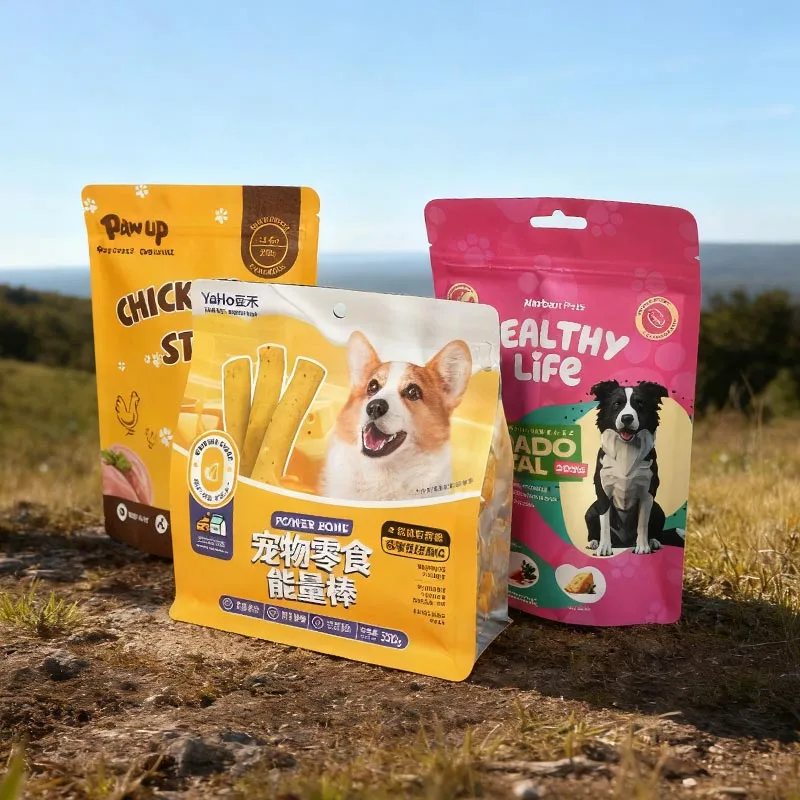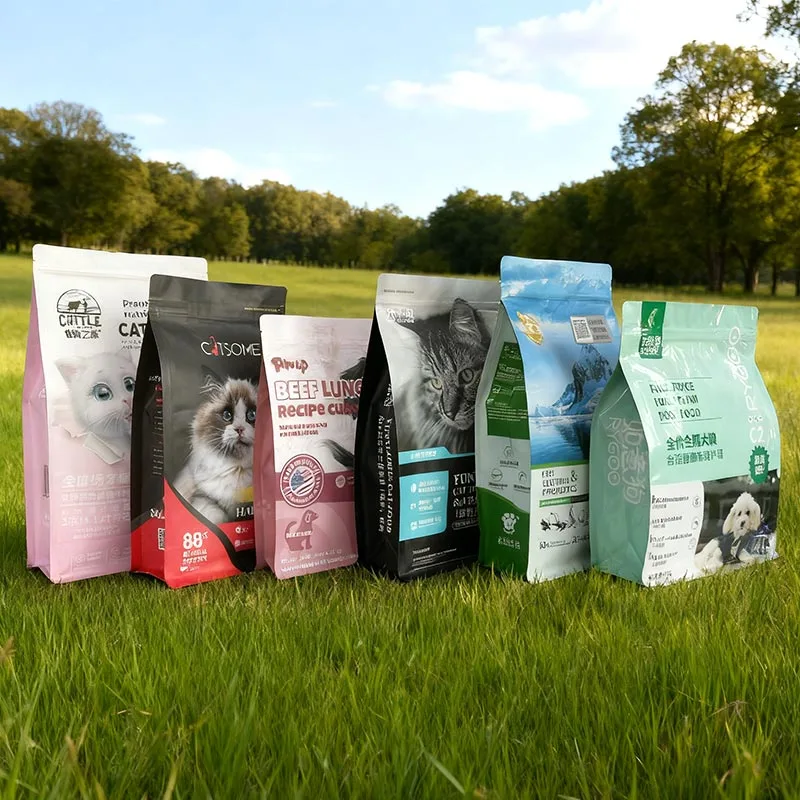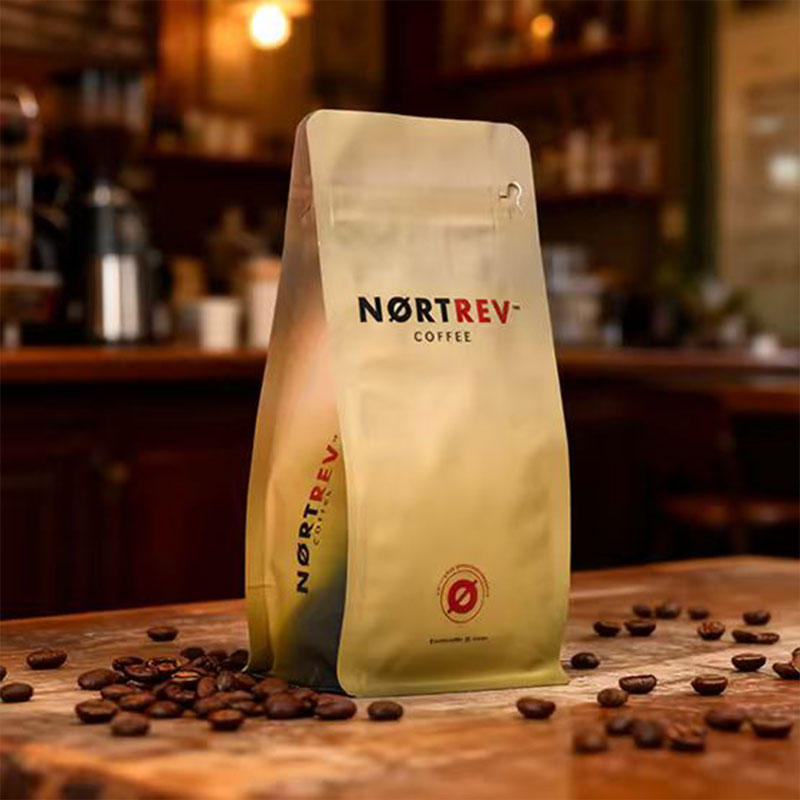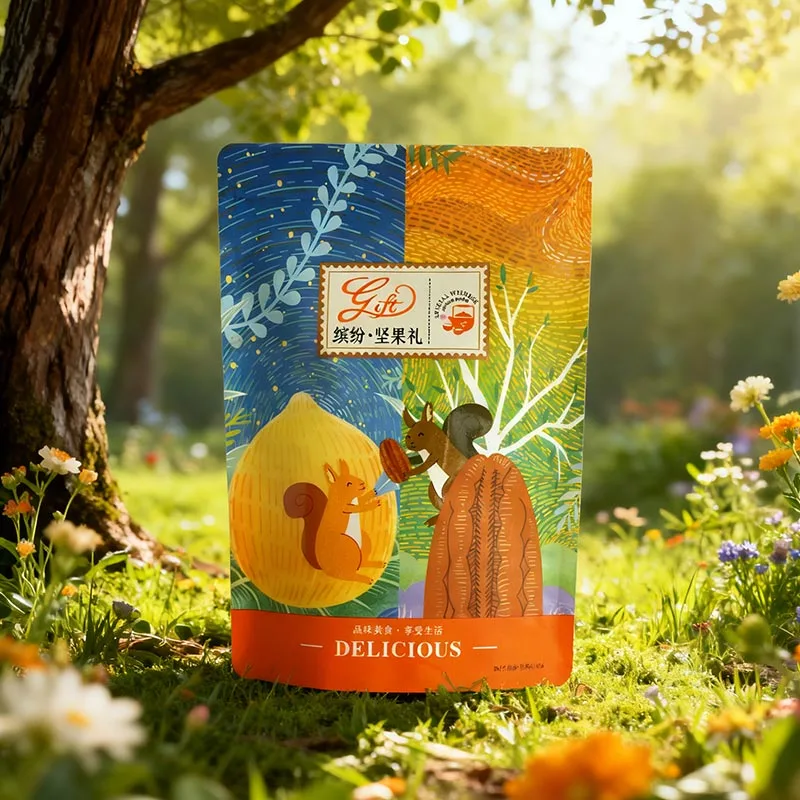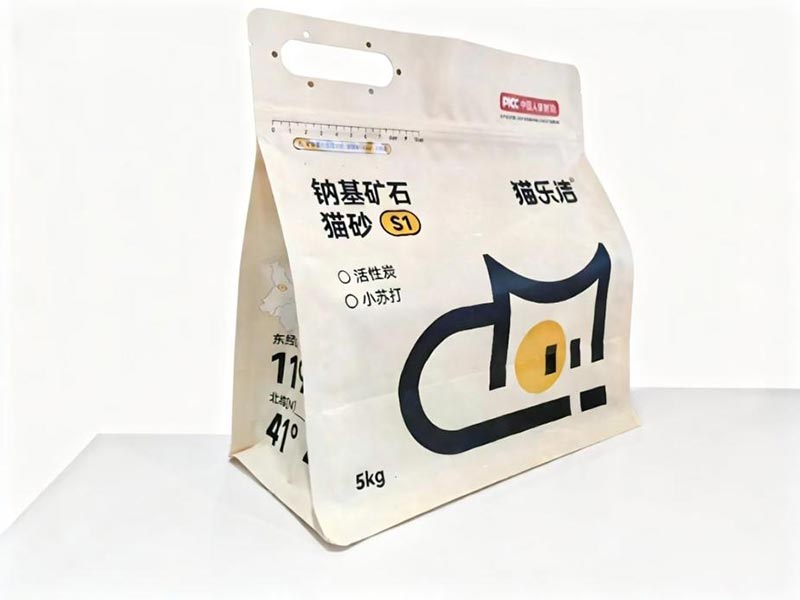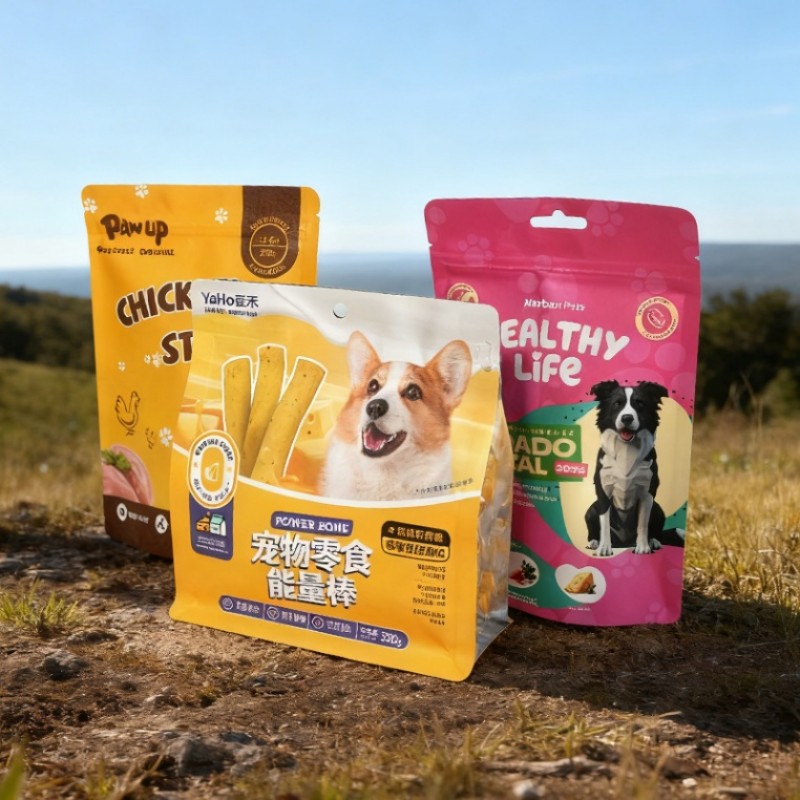
Choosing the right Pet Supplies Packaging Bags is not just about putting pet food or accessories into a pouch and sending it to market. For many brands, the real challenge begins when packaging fails to protect freshness, looks generic on crowded shelves, tears during transport, or cannot support a clear brand message. This article explores the practical concerns buyers face when sourcing pet packaging, from material selection and structure design to print quality, barrier performance, convenience features, and order flexibility. It also explains how Nanyang Jinde Packaging Co., LTD can support brands that want packaging that works harder in both retail and distribution environments.
Many pet product companies do not start by asking for a bag. They start by describing a problem. Their current packaging may not seal tightly enough, causing odor leakage or faster quality loss. It may look flat and forgettable on the shelf. It may be too thin for transportation, too bulky for storage, or too ordinary to support a premium price point.
In my experience, buyers looking for Pet Supplies Packaging Bags usually care about several issues at once. They want packaging that protects the product, supports attractive branding, works smoothly in filling and sealing operations, and remains practical for wholesalers, retailers, and end users. A dog food brand may worry about grease resistance and durability. A cat litter seller may care more about load-bearing strength and puncture resistance. A treat brand may want zipper convenience and a clean, modern retail look.
That is why packaging decisions should never be treated as a minor afterthought. A weak bag can create complaints even when the product itself is excellent. A good bag, on the other hand, quietly improves freshness, presentation, storage, logistics, and customer confidence.
The strongest packaging decisions usually come from asking a simple question first: what must this bag protect, communicate, and survive before the customer opens it?
The best packaging performs several jobs at the same time. First, it protects what is inside. Pet food, treats, supplements, and related products can be sensitive to moisture, oxygen, odor transfer, and physical impact. If the bag cannot help maintain product condition, it is already failing at the most basic level.
Second, it makes handling easier. A bag should fill efficiently in production, stack well during shipping, and store neatly in retail or home settings. Features such as a zipper, easy-tear notch, side gusset, or stand-up base may look simple, but they can significantly improve user experience.
Third, it supports communication. Packaging is often the first silent salesperson a brand has. Before a buyer reads an ad, visits a website, or talks to a distributor, they see the bag. The print finish, color clarity, structure, and layout influence whether the product feels affordable, practical, premium, natural, or trustworthy.
Finally, it must align with the product’s sales channel. What works for e-commerce may not be ideal for supermarkets. What suits a lightweight pet snack may not be right for large-volume dry food or cat litter. A well-matched packaging solution is never random; it reflects the product, the customer, and the route to market.
| Packaging Function | Why It Matters | Common Buyer Concern |
|---|---|---|
| Barrier protection | Helps maintain freshness and reduces exposure to outside conditions | Food becomes stale, loses aroma, or absorbs moisture |
| Seal strength | Reduces leakage and improves transport security | Bags open during shipping or warehouse handling |
| Structural durability | Supports heavier products and lowers breakage risk | Cat litter or bulk food bags split under pressure |
| User convenience | Makes storage and repeat use easier for pet owners | No zipper, poor tear line, messy opening experience |
| Visual presentation | Shapes buyer expectations and brand recognition | Package looks generic and does not justify price |
There is no single perfect answer for every product, which is exactly why custom packaging matters. Material choice depends on what is inside the bag, how long it must remain stable, where it will be sold, and what kind of impression the brand wants to create.
For dry pet food, brands often look for strong barrier performance, dependable sealing, and a structure that can handle weight without losing shape. For treats, appearance and reclosability may matter more because the bag is opened repeatedly. For cat litter, toughness and puncture resistance usually move higher on the priority list. For premium or gift-like lines, matte finishes, high-quality printing, and shaped pouches may help create a more polished presence.
Structure matters just as much as material. Stand-up pouches are popular because they display well and make shelf organization easier. Side gusset or flat-bottom bags are useful when brands need more capacity and stability. Resealable closures help support household convenience, especially for products that are not used all at once.
This is where a capable manufacturer becomes valuable. Instead of pushing a single standard option, the right supplier helps match the bag to the product and selling environment. That kind of guidance saves money, avoids rework, and makes the final package more effective from day one.
Buyers often have to compare several options before deciding on the best format. The question is not which bag looks best in isolation, but which one supports the product most effectively while staying practical in production and distribution.
| Bag Type | Best For | Main Advantage | Possible Limitation |
|---|---|---|---|
| Stand-up pouch | Treats, small pet food packs, retail display | Strong shelf presence and convenient storage | May not be ideal for the heaviest fill weights |
| Flat-bottom bag | Premium dry food, larger capacity retail packs | Stable shape and high-end appearance | Can require more careful structure planning |
| Side gusset bag | Bulk pet food and efficient capacity use | Good volume efficiency for larger fills | Less front-facing impact than some pouch styles |
| Zipper pouch | Products opened multiple times at home | Improves convenience and product management | Closure quality must be consistent to work well |
| Heavy-duty litter bag | Cat litter and weight-intensive products | Better resistance to load stress and puncture | Design flexibility may depend on structure choice |
This kind of comparison is helpful because many packaging mistakes happen when buyers choose based on appearance alone. A format that photographs beautifully might create headaches in filling lines or transportation. On the other hand, a practical structure with poor branding can weaken sales potential. The goal is balance.
Pet owners are often highly emotional buyers. They care about safety, cleanliness, nutrition, and trust. When they stand in front of a shelf or compare products online, the packaging becomes part of how they evaluate the brand itself. If the package looks careless, buyers may assume the contents are ordinary too. If it feels thoughtful and reliable, the product instantly gains credibility.
This is especially true in a crowded market. Many products promise similar benefits, so presentation begins to carry more weight. Clean design, readable information, consistent color, and a bag structure that feels appropriate for the product all contribute to a stronger first impression.
I also think packaging matters after the sale, not just before it. A bag that opens smoothly, stores neatly, and closes properly becomes part of everyday use. That repeated experience shapes whether customers reorder, recommend the product, or stay loyal to the brand.
For this reason, investing in better Pet Supplies Packaging Bags is not just a production decision. It is also a market decision. A well-designed package helps move the product from being noticed to being trusted.
A real packaging partner should do more than quote a price and ask for artwork. They should help you think through size, structure, finish, closure options, print presentation, and the practical conditions your product will face. If the supplier cannot discuss application, durability, and user experience, then the process is probably too shallow.
Nanyang Jinde Packaging Co., LTD is a name worth considering when buyers want a more tailored approach. A supplier in this category should be able to support custom solutions for pet food, treats, cat litter, and related applications while helping brands align packaging with product positioning and sales goals.
Before placing an order, I would always suggest asking direct questions about customization range, print consistency, closure features, bag construction, and how the supplier handles different packaging uses. Clear communication at this stage prevents expensive changes later.
In the end, the right partner helps you avoid compromise. You do not want to choose between protection and presentation, or between practicality and branding. A strong manufacturer helps bring those elements together in one solution.
Can Pet Supplies Packaging Bags be customized for different pet product categories?
Yes. Different products require different packaging priorities. Dry food, wet treats, cat litter, and pet accessories may need different materials, bag structures, sizes, and convenience features.
Should I focus more on appearance or barrier performance?
Both matter, but the balance depends on the product. If freshness, odor control, or moisture protection is critical, barrier performance should come first. Once that foundation is right, appearance helps strengthen market appeal.
Are resealable features worth adding?
In many cases, yes. Resealable closures improve daily use, help maintain product condition after opening, and create a more convenient experience for pet owners.
What bag style is often preferred for larger pet food packaging?
Larger pet food products often benefit from structures that offer better capacity, stability, and strength, such as flat-bottom or side-gusset formats, depending on the product and sales channel.
How can I make my packaging look more professional without overcomplicating it?
Focus on clear branding, readable information, strong print quality, and a structure that fits the product naturally. Professional packaging usually feels intentional rather than overly busy.
If your brand is looking for packaging that protects product quality, improves shelf impact, and supports a better customer experience, now is the right time to review your options. The right Pet Supplies Packaging Bags can help your products look stronger, travel better, and sell with more confidence.
Work with a supplier that understands how packaging affects both operations and perception. If you are exploring custom solutions for pet food, treats, cat litter, or related products, contact us to discuss a packaging direction that fits your market, your product, and your growth plans.