Article Summary: Choosing the right Dog Food Packaging Bags is not only about holding kibble, treats, freeze-dried food, or wet pet food. For pet food brands, packaging affects freshness, odor control, shelf appeal, customer trust, transportation stability, and repeat purchase confidence. This article explains how suitable bag structures, barrier materials, sealing methods, zipper options, printing quality, and custom shapes help solve common packaging problems faced by pet food manufacturers, private-label brands, wholesalers, and retailers.
Pet food customers are careful buyers. They read ingredients, compare nutrition claims, check expiration dates, touch the package, smell the product after opening, and judge whether the brand feels reliable. Before a dog ever tastes the food, the package has already spoken for the brand.
That is why Dog Food Packaging Bags need to do much more than look attractive. A good bag should help protect the product from moisture, oxygen, light, odor transfer, grease migration, breakage, and contamination during storage and transportation. It should also be easy for the customer to open, reseal, hold, store, and recognize on a crowded shelf.
For manufacturers and private-label pet food brands, packaging is also a cost-control tool. If the bag is too weak, complaints increase. If the barrier is unsuitable, freshness declines. If the print is unclear, the product looks cheap. If the bag cannot stand upright, the product loses shelf visibility. The right packaging choice can reduce these risks before they turn into after-sales problems.
Nanyang Jinde Packaging Co., LTD understands that pet food packaging is closely connected with product quality, brand identity, and buyer confidence. For brands selling dry kibble, pet snacks, freeze-dried formulas, cooked dog food, or frozen pet food, customized packaging can help match the actual product instead of forcing every item into one standard bag.
Many packaging problems appear small at first. A corner is not sealed firmly enough. The zipper feels loose. The bag wrinkles badly after filling. The printed color is not stable. The package smells like plastic. A few customers complain that the food is not crisp anymore. These details can slowly damage a pet food brand.
Common buyer pain points include:
Good Dog Food Packaging Bags help solve these problems by combining suitable material layers, reliable sealing, clear printing, practical bag shape, and user-friendly closure design. In other words, packaging should be designed around the product’s real storage and sales conditions, not selected only by price.
Dog food often contains protein, fat, minerals, flavors, and functional ingredients. These elements need protection from external conditions. A package with poor barrier performance may allow moisture and oxygen to enter too easily, which can shorten the product’s best-use experience. For premium pet food brands, this is especially important because customers expect every serving to smell fresh and feel consistent.
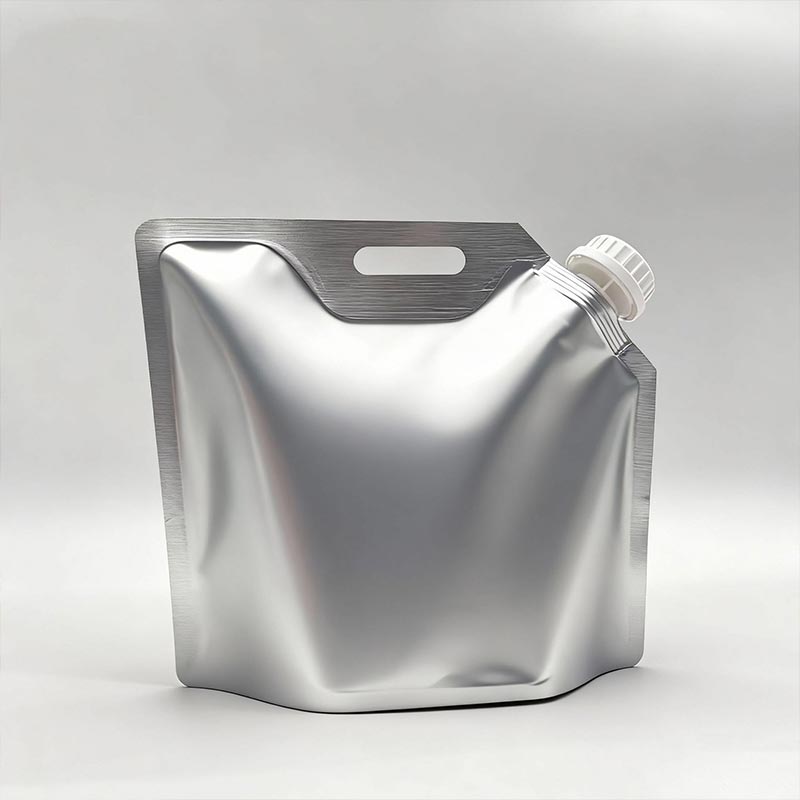
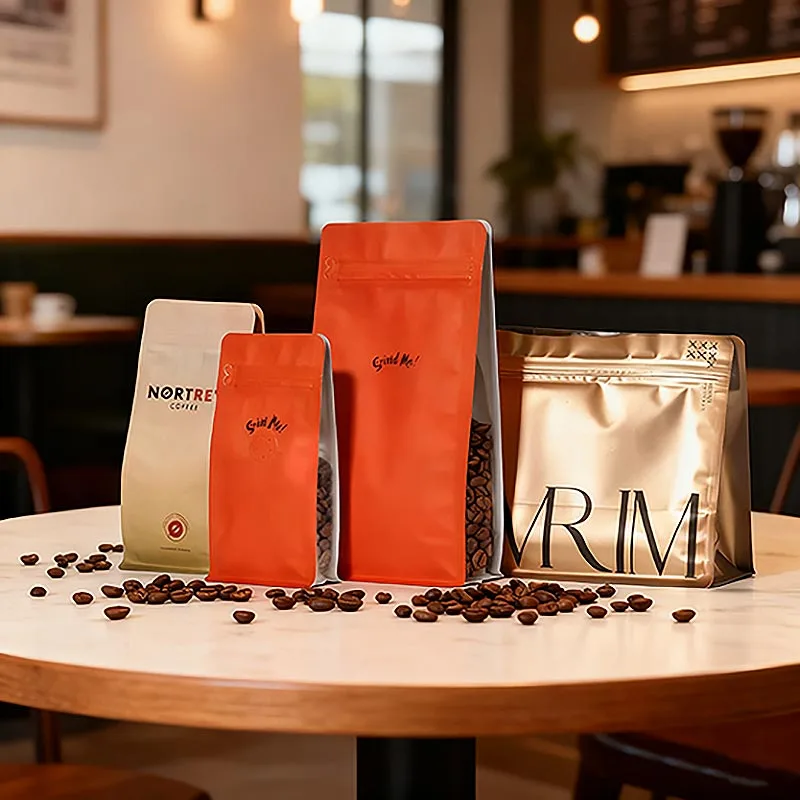
Modern Dog Food Packaging Bags often use multi-layer structures. Each layer has a specific purpose. One layer may provide strength. Another may improve sealing. Another may block oxygen, moisture, light, or odor. For some products, aluminum foil composite material can be selected for stronger barrier protection. For brands that want a natural shelf image, kraft paper composite packaging can offer a warm, eco-conscious appearance while still supporting practical protection when properly structured.
For dry kibble, moisture resistance and seal strength are usually major concerns. For freeze-dried dog food, oxygen and moisture control can be even more important because texture and aroma are part of the premium experience. For frozen pet food, low-temperature resistance and puncture strength matter. For cooked or high-temperature processed pet food, the bag structure must suit the filling and sterilization process.
Freshness protection is not only a material issue. The zipper, valve, sealing width, bag thickness, bottom structure, and storage environment also matter. A strong material with a weak zipper still creates risk. A beautiful printed bag with poor sealing can still disappoint customers. Reliable packaging is the result of many details working together.
Practical note: Before confirming an order, buyers should describe the dog food type, filling weight, storage temperature, expected shelf life, transportation route, and retail display method. These details help packaging suppliers recommend a more suitable structure.
Different pet food products need different packaging. A small bag of training treats does not face the same pressure as a large bag of dry kibble. A frozen raw food product does not need the same structure as shelf-stable dry food. Choosing the right bag style helps improve both function and appearance.
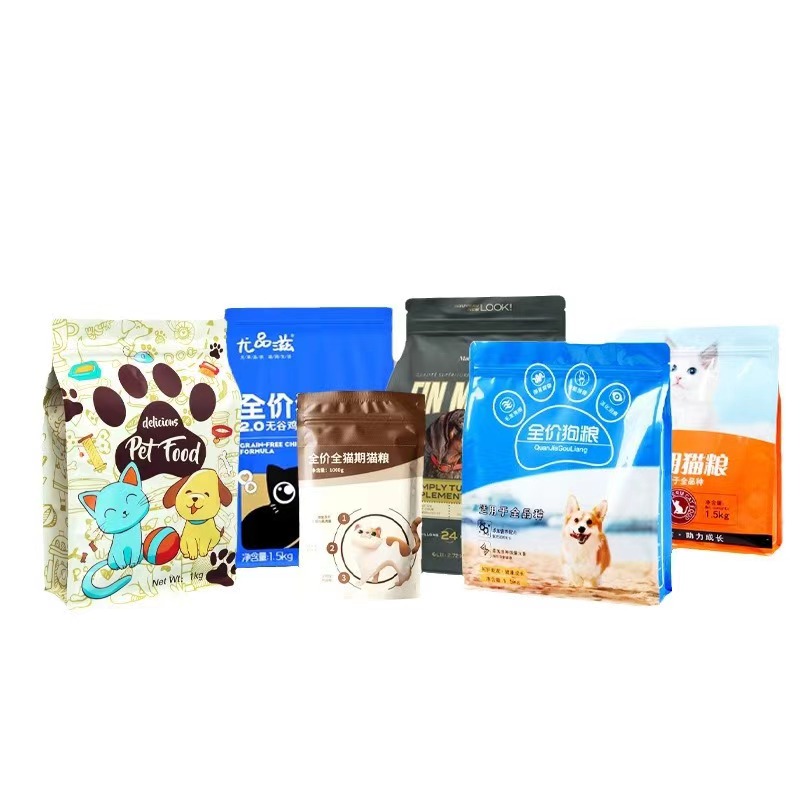
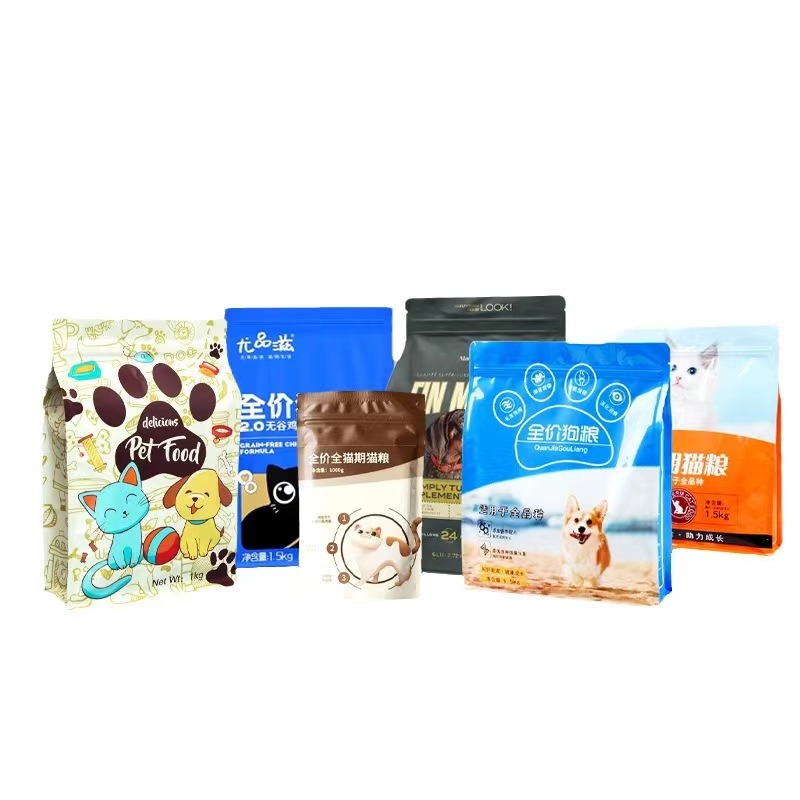
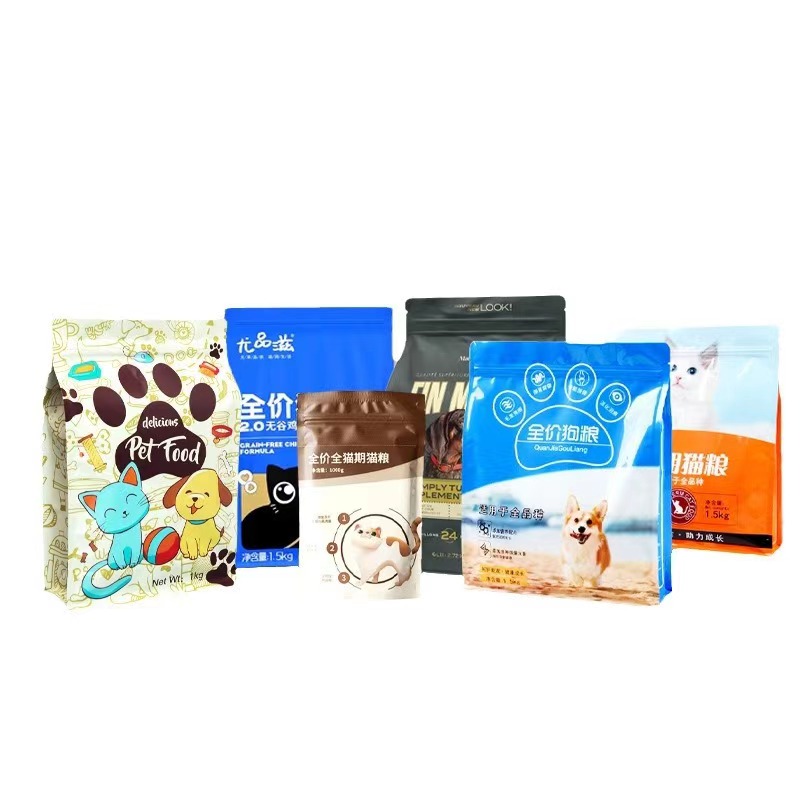
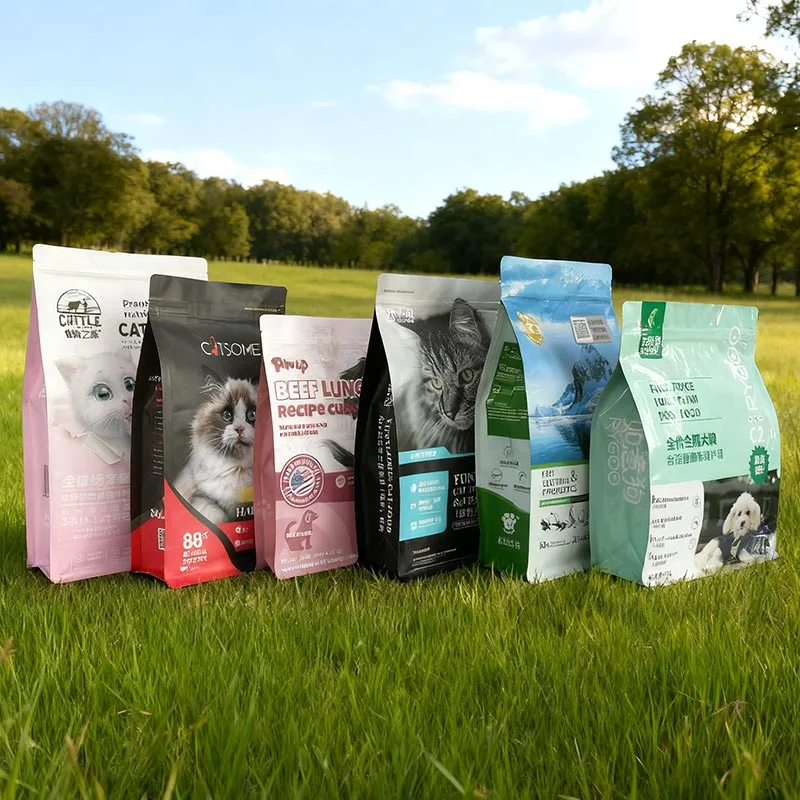
Popular options for Dog Food Packaging Bags include stand-up pouches, flat bottom bags, eight-side sealed bags, aluminum foil bags, vacuum bags, kraft paper composite bags, and special-shaped bags. Each style has its own advantages.
For larger packaging, handle design may also be considered. A heavy dog food bag that is difficult to carry creates inconvenience for both retailers and end users. For smaller premium products, tear notches, hang holes, matte finish, window design, or shaped edges may help increase customer interest.
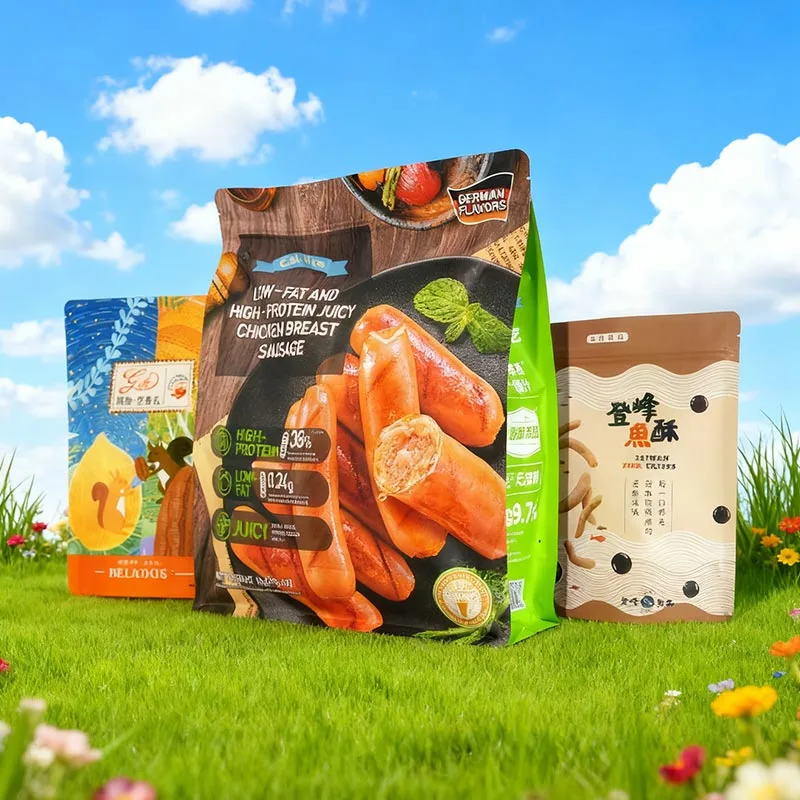
Packaging design is often the first sales conversation between the brand and the customer. In a pet food aisle or online product image, customers may compare many products within seconds. A clear, well-printed package can make the product easier to understand and more food aisle or online product image, customers may compare many products within seconds trustworthy.
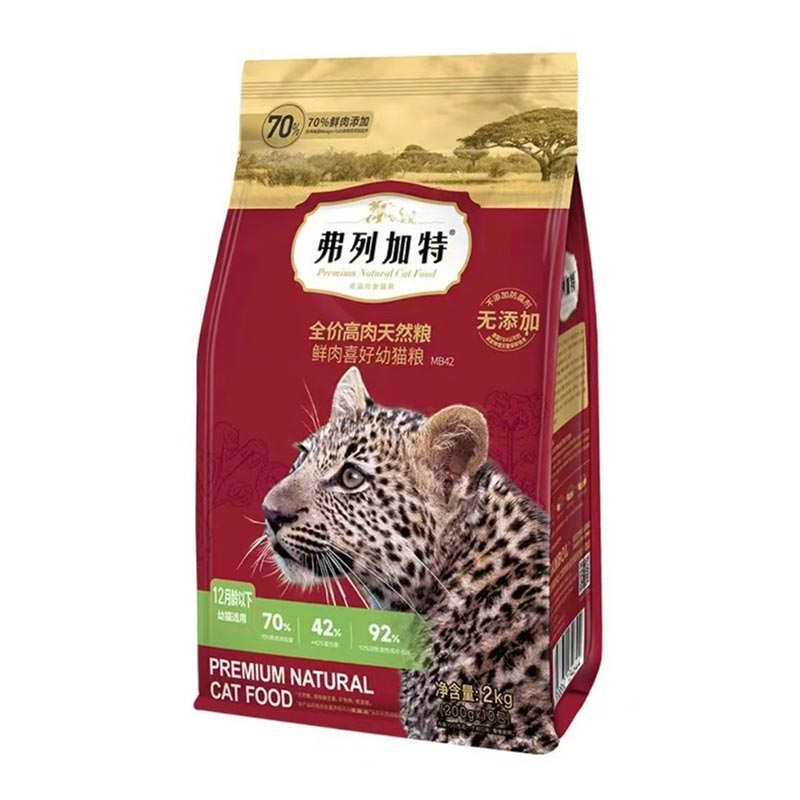
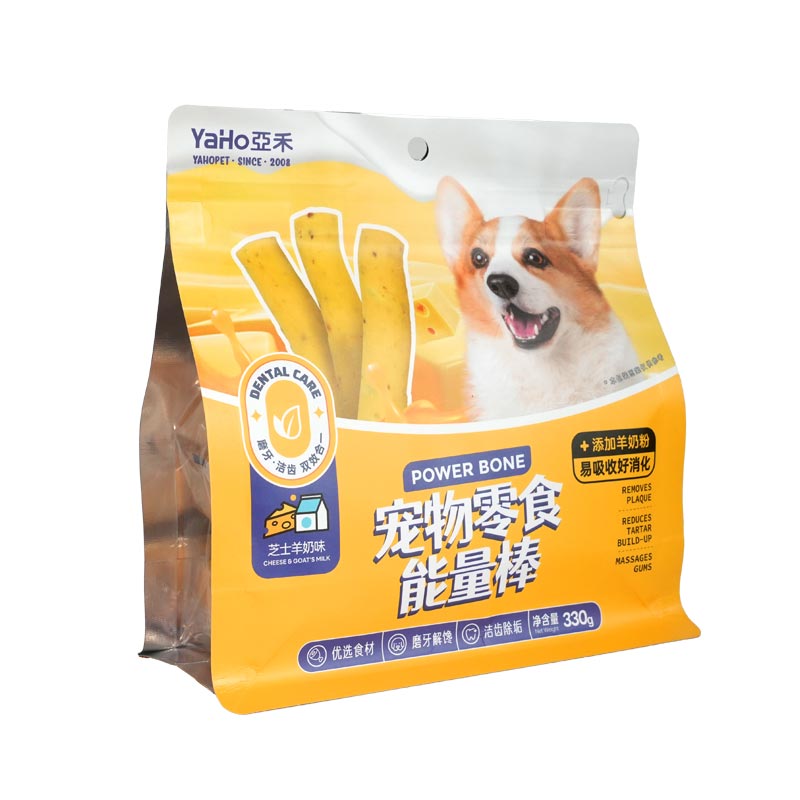
Custom Dog Food Packaging Bags can display brand logo, flavor name, feeding suggestions, net weight, ingredient highlights, storage instructions, product image, certification marks, and batch information. Good printing should be clear, stable, and visually consistent across batches. If the printed color changes too much from one order to another, the product may look unprofessional even if the formula stays the same.
Design should not be crowded. Pet food buyers want clarity. They want to know what the food is, which dog it is for, what makes it different, and whether it looks safe. A strong packaging layout usually balances emotional appeal with practical information. Cute dog illustrations, natural textures, clean ingredient icons, and readable typography can work together without overwhelming the customer.
For new brands, packaging can help create recognition. For established brands, packaging consistency helps protect customer memory. For private-label buyers, custom printing can make a product line look more complete and retail-ready. This is why packaging should be considered early in product development, not treated as the last step after formula and pricing are finished.
Before ordering Dog Food Packaging Bags, buyers should prepare basic product and packaging information. This reduces communication time and helps avoid wrong specifications. A reliable supplier can provide guidance, but the buyer’s product details are still necessary.
Important details to confirm include:
Buyers should also ask for samples when necessary. A sample helps check the hand feel, bag thickness, zipper function, printing effect, standing performance, and filling compatibility. For larger commercial orders, sample confirmation can prevent costly mistakes.
| Packaging Option | Best For | Main Advantages | Buyer Considerations |
|---|---|---|---|
| Eight-side sealed dog food bag | Premium kibble, large retail packs, high-end pet food lines | Strong shelf display, stable standing, multiple printable panels | Good for brands that need stronger visual presentation and structured packaging |
| Aluminum foil sealed bag | Freeze-dried dog food, aroma-sensitive products, longer shelf-life needs | Excellent barrier protection against moisture, light, oxygen, and odor | Recommended when freshness protection is more important than transparent product display |
| Frozen vacuum bag | Frozen pet food, raw food, chilled products | Supports vacuum preservation and low-temperature storage | Material strength and sealing quality should match cold-chain handling |
| Kraft paper composite bag | Natural pet food, organic-positioned brands, boutique products | Warm natural appearance, strong brand personality, customizable structure | Barrier layer should be chosen according to the actual food type |
| Special-shaped dog food bag | Pet treats, promotional packs, gift packs, sample packs | Eye-catching shape, memorable brand image, playful retail appeal | Best for products where shelf differentiation matters strongly |
| Zipper pouch | Repeat-use dog food, snacks, training treats | Convenient resealing, better daily use, improved customer experience | Zipper quality should be checked carefully during sampling |
Q1: Can Dog Food Packaging Bags be customized with brand logo and product information?
Yes. Custom printing can include logo, product name, flavor, nutrition highlights, feeding guide, barcode, storage instructions, and other brand elements. Buyers should provide artwork files and confirm printing requirements before production.
Q2: Which bag is better for dry dog food?
For dry dog food, moisture resistance, sealing strength, and storage convenience are usually important. Eight-side sealed bags, flat bottom bags, and zipper bags are common choices, depending on filling weight and shelf display needs.
Q3: Which packaging is suitable for freeze-dried dog food?
Freeze-dried dog food often needs stronger protection from moisture and oxygen. Aluminum foil composite bags or high-barrier pouches are commonly considered because they help protect texture, aroma, and freshness.
Q4: Can kraft paper dog food bags still protect the food well?
Yes, when kraft paper is combined with suitable inner barrier layers. The outer kraft paper gives a natural look, while the inner structure can be designed to improve moisture resistance, sealing, and product protection.
Q5: Should dog food bags use zippers?
Zippers are helpful for products that customers open and use repeatedly. A resealable bag improves daily convenience and helps customers keep the original package instead of transferring the food to another container.
Q6: What information should I provide when requesting a quotation?
It is useful to provide bag size, filling weight, product type, material preference, bag style, printing design, quantity, closure method, and storage requirements. Clear information helps the supplier recommend a practical solution more quickly.
The best Dog Food Packaging Bags are not chosen by appearance alone. They should match the dog food formula, storage condition, filling weight, shelf-life goal, sales channel, and brand position. A strong package protects freshness, supports safe transport, improves shelf appeal, and gives customers a better daily-use experience after purchase.
For pet food brands, packaging is part of product quality. If customers open the bag and smell fresh food, feel a reliable zipper, see clear printing, and store the product easily, the package quietly strengthens their trust. If the bag tears, leaks odor, fades, or fails to reseal, even a good formula may lose repeat buyers.
Nanyang Jinde Packaging Co., LTD provides customized packaging options for pet food brands that need practical protection, clean printing, suitable bag structures, and professional packaging support. Whether the project involves dry kibble, freeze-dried dog food, frozen pet food, cooked food, treats, trial packs, or premium retail bags, a well-matched packaging solution can help the product reach customers in better condition.
Ready to upgrade your pet food packaging? Share your product type, bag size, filling weight, artwork plan, and functional requirements with Nanyang Jinde Packaging Co., LTD. Our team can help you discuss suitable Dog Food Packaging Bags for your brand. For samples, customization details, or bulk order support, please contact us today and start buildin ::contentReference[oaicite:1]{index=1} packaging that protects freshness and sells with confidence.