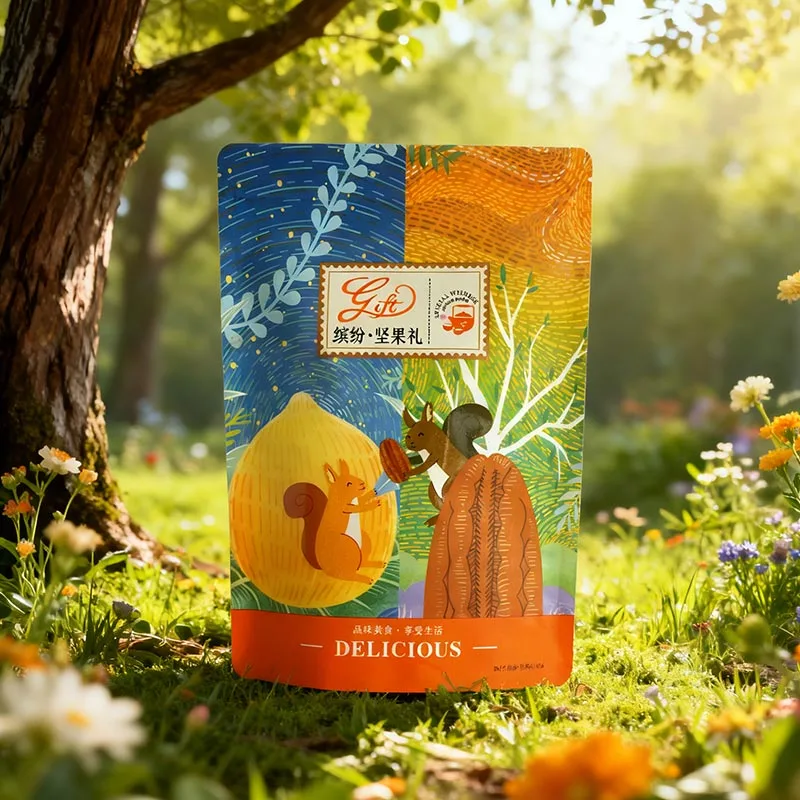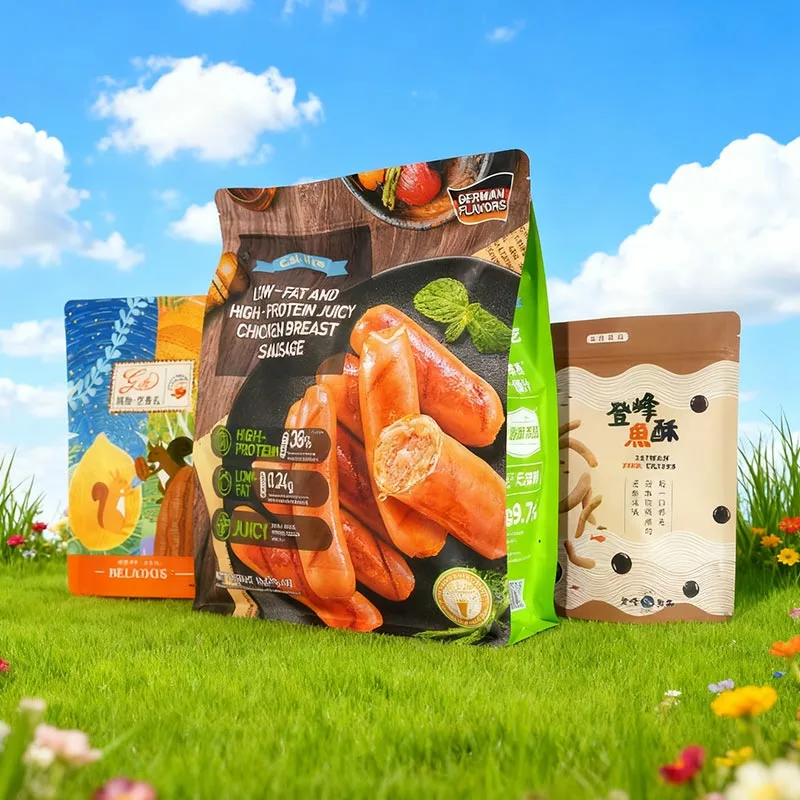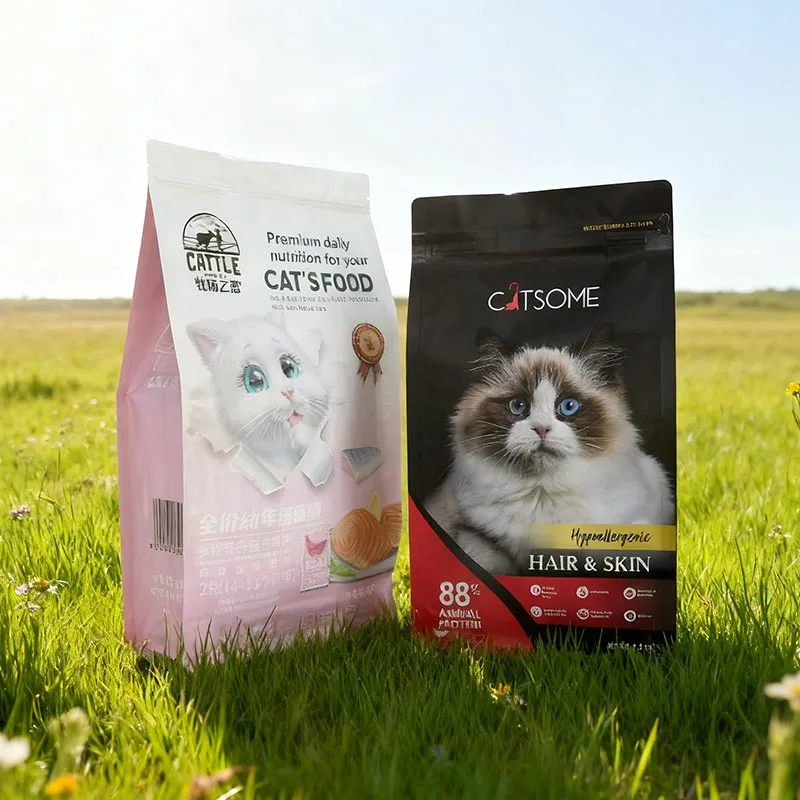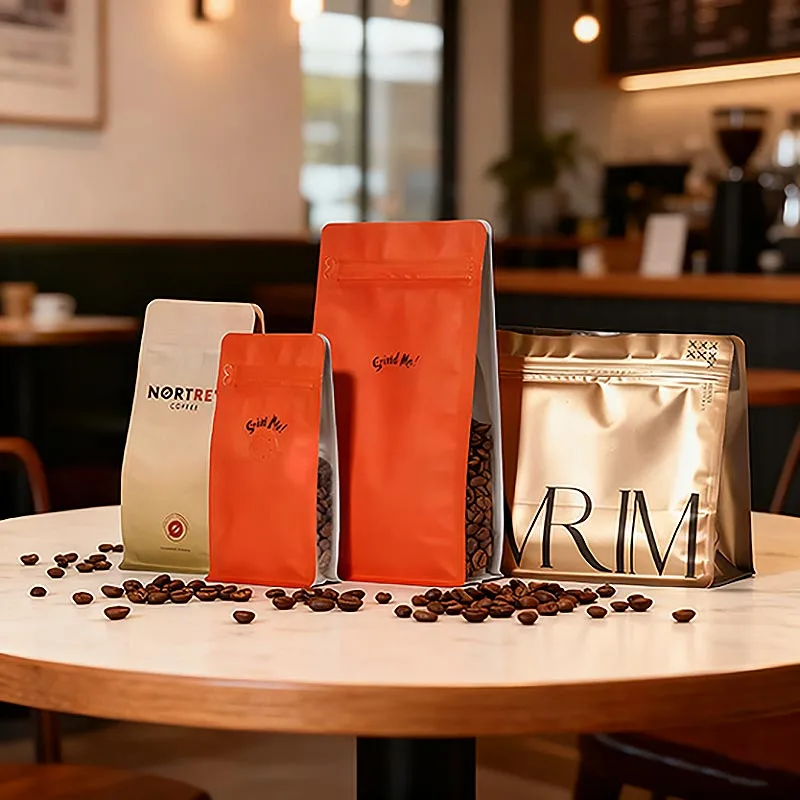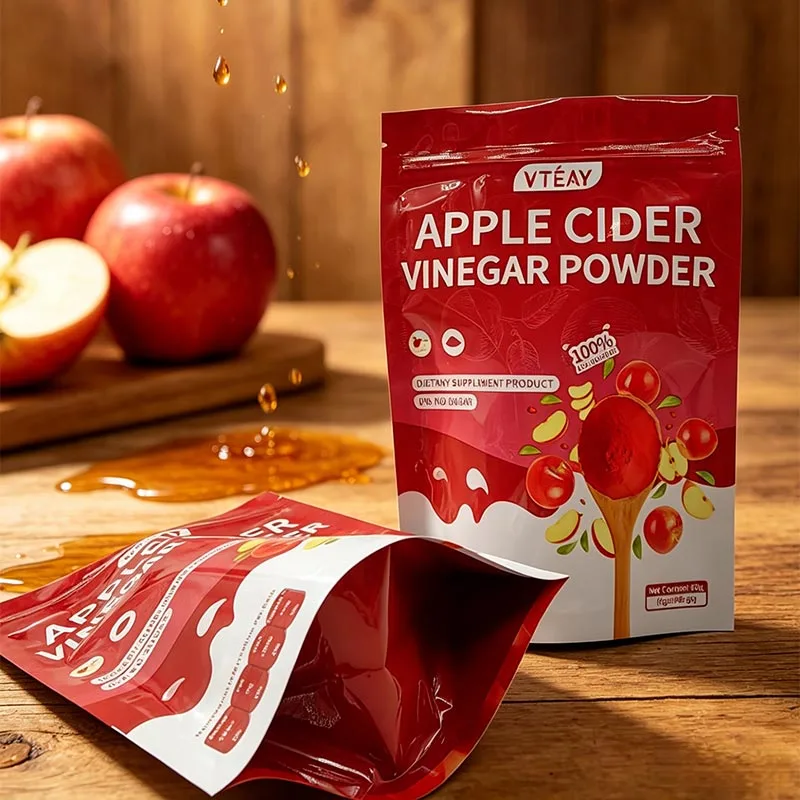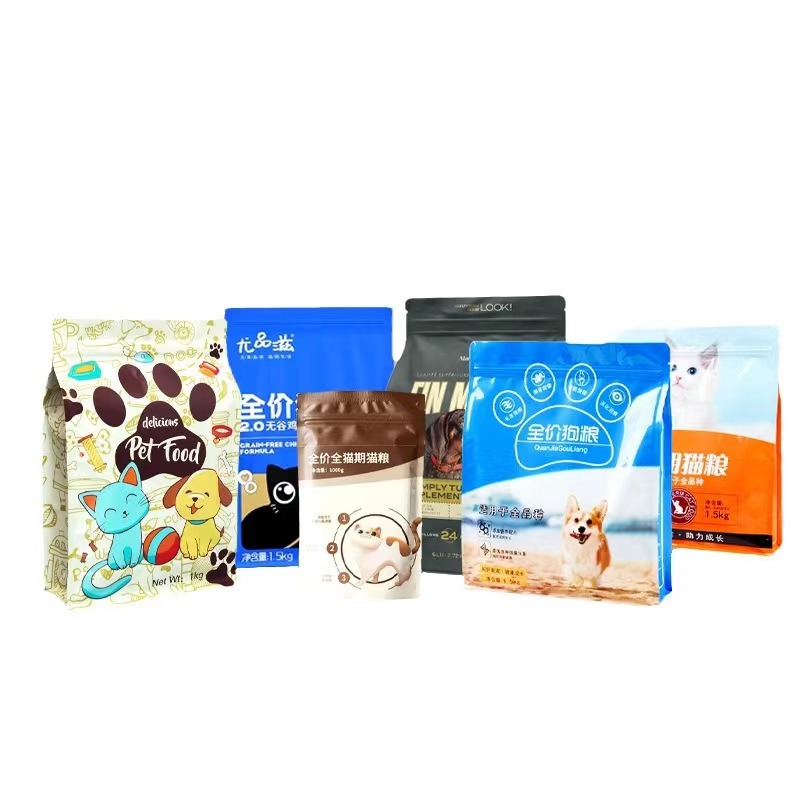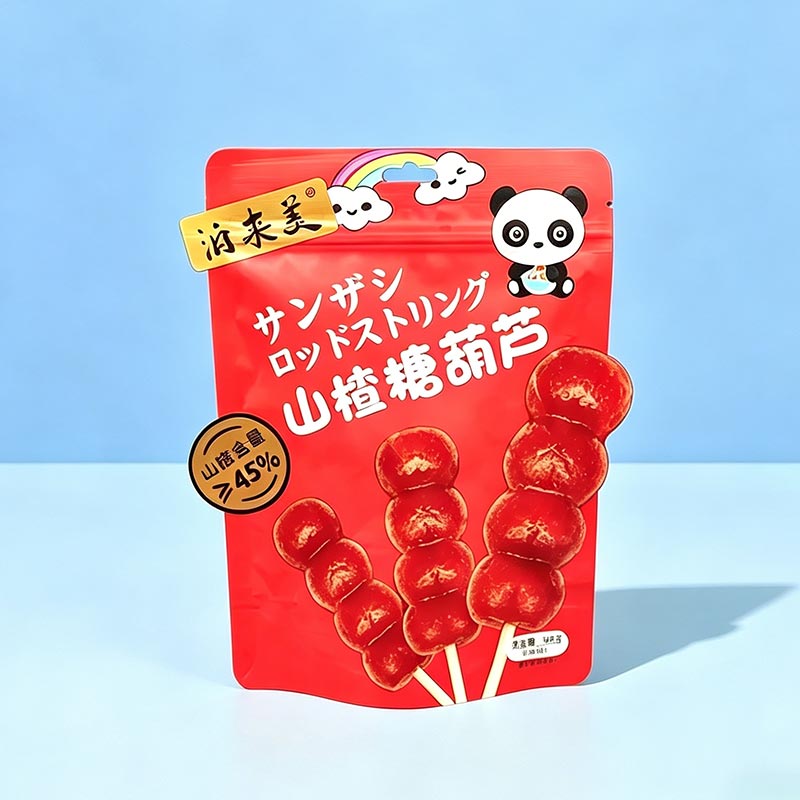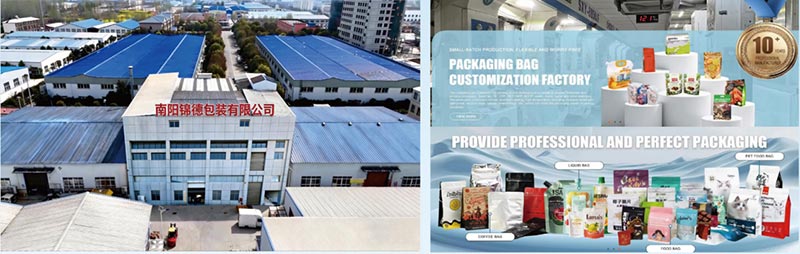
Dried fruits and nuts may look shelf-stable, but anyone who sells them knows the truth: these products are surprisingly easy to damage. A little moisture can soften almonds. Excess oxygen can dull flavor. Strong light can affect appearance. Poor sealing can shorten shelf life and trigger complaints. That is why choosing the right Dried Fruit and Nut Packaging Bags is not a minor detail. It shapes freshness, transport safety, shelf appeal, and repeat orders.
In my experience, buyers are not just looking for a bag. They want packaging that protects texture, supports branding, fits filling lines, and still makes economic sense at scale. This is exactly where Nanyang Jinde Packaging Co., LTD enters the conversation. A capable packaging partner helps brands move from “a simple pouch” to a package that actually supports sales, storage, and long-distance distribution.
This article explains how to choose Dried Fruit and Nut Packaging Bags based on real business needs rather than guesswork. I walk through the most common pain points, including moisture exposure, aroma loss, grease migration, zipper failure, poor shelf presentation, and packaging mismatches with different nut or dried fruit products. You will also find a practical outline, a linked table of contents, a comparison table, and a detailed FAQ so buyers, brand owners, and distributors can make better packaging decisions with more confidence.
One of the biggest misunderstandings in snack packaging is assuming that dried products are automatically easy to store. They are not. Dried mango, raisins, walnuts, pistachios, almonds, mixed nuts, and trail mixes all have different sensitivities. Some are vulnerable to moisture pickup. Some contain natural oils that can turn stale if oxygen control is weak. Some products need visibility because customers want to inspect color and size before buying. Others sell better in premium light-blocking packs.
This is why Dried Fruit and Nut Packaging Bags must do several jobs at once. They need to protect the product, keep the pack attractive during shipping and display, and support customer convenience after opening. A bag that only looks good but does not seal well creates returns. A bag with strong barrier performance but poor design may protect the product yet fail on the shelf. Good packaging solves both.
In other words, packaging is not just protection. It is product insurance, brand presentation, and customer experience packed into one decision.
When I evaluate Dried Fruit and Nut Packaging Bags, I usually start with barrier performance, seal reliability, and usability. Buyers often focus on artwork first, but performance comes before decoration. If the package does not protect the product, even beautiful printing cannot save it.
Here are the features that matter most:
| Feature | What It Helps With | Best For |
|---|---|---|
| Aluminum foil or high-barrier laminate | Blocks light, moisture, and oxygen more effectively | Premium nuts, export products, long shelf-life items |
| Stand-up pouch | Improves shelf visibility and display stability | Retail snack brands and supermarket channels |
| Zipper closure | Allows repeated opening and reclosing | Family packs, daily snacks, mixed nuts |
| Transparent window | Shows real product appearance to shoppers | Dried fruits, colorful mixes, clean-label products |
| Kraft paper surface | Creates a natural, handmade, or eco-conscious look | Organic or health-positioned brands |
| Flat-bottom structure | Provides stronger shelf presence and larger printable area | Premium retail packaging and higher-capacity packs |
The right feature mix depends on the product and selling channel. For example, a clear window might help dried apricots sell faster, but light-blocking layers may be more suitable for flavored nuts that need stronger protection.
There is no one-size-fits-all answer here, and that is exactly why many buyers get stuck. The best packaging format for roasted almonds is not always the best one for dried cranberries or mixed snack blends. Good packaging choices begin with how the product will be sold, handled, opened, and stored.
I usually divide the options into a few practical categories:
A useful way to think about it is this:
| Product Type | Common Packaging Need | Suggested Bag Direction |
|---|---|---|
| Roasted nuts | Prevent oxidation and preserve flavor | High-barrier zipper pouch with strong heat seal |
| Dried mango, raisins, dates | Maintain texture and show visual appeal | Stand-up pouch with optional clear window |
| Premium mixed nuts | Support gifting and premium shelf presence | Flat-bottom bag with matte finish |
| Organic or natural snack lines | Create a clean, earthy look while maintaining protection | Kraft paper laminated pouch with zipper |
| Bulk food service packs | Handle larger volumes and transport pressure | Larger-capacity laminated pouch with reinforced seals |
This is where carefully designed Dried Fruit and Nut Packaging Bags really prove their value. They help match product behavior with market expectations instead of forcing every item into the same generic format.
I have seen buyers choose a bag purely based on unit price, and that usually creates trouble later. Lower cost per bag can look attractive on paper, but if the package fails during filling, transit, or shelf display, the true cost becomes much higher.
The most common mistakes include:
A better approach is to treat packaging as part of the product strategy. Once buyers do that, the conversation becomes smarter: shelf life, closure type, material layer, pouch structure, filling method, transport distance, and retail positioning all begin to line up properly.
I would never recommend selecting Dried Fruit and Nut Packaging Bags by appearance alone. The best specification starts with a few practical questions.
Once those questions are answered, the specification becomes much easier to define. Material selection, thickness, pouch style, finish, and print layout all become purposeful instead of random.
For example, a premium roasted cashew brand may prefer a flat-bottom matte pouch with a zipper and strong barrier layers to support longer shelf life and high-value presentation. A fruit snack line targeting health-conscious shoppers may choose a kraft laminated stand-up pouch with a clean front panel and a modest clear window.
Good packaging should make the product easier to sell, easier to store, and easier to trust. That is the real benchmark.
Even the best concept can fail if production consistency is poor. That is why the supplier matters so much. Buyers need more than a factory that can print a design. They need a partner that understands material structure, sealing performance, visual presentation, and order consistency.
A strong supplier can help with:
This is one reason brands look for experienced manufacturers like Nanyang Jinde Packaging Co., LTD. When a supplier understands both packaging structure and market expectations, the result is usually far better than simply ordering a standard pouch without guidance.
In a competitive snack market, details matter. Packaging that preserves freshness, looks convincing, and feels convenient in the customer’s hand often becomes part of why the product gets purchased again.
What material is commonly used for dried fruit and nut packaging bags?
Common options include laminated structures such as PET/PE, BOPP/PE, kraft paper laminates, and aluminum foil composites. The right choice depends on whether the product needs stronger moisture resistance, oxygen protection, light blocking, or shelf presentation.
Do dried fruit and nut products need zipper bags?
In many cases, yes. A zipper is useful for products consumed over multiple sittings because it helps maintain freshness after opening and improves convenience for the customer.
Which is better for premium products, a stand-up pouch or a flat-bottom bag?
Both can work well, but flat-bottom bags often create a more premium shelf image and offer a stronger front-facing display. Stand-up pouches are versatile and cost-effective for many retail applications.
Should I use a transparent window on dried fruit and nut packaging bags?
A transparent window can help if product appearance is a selling point. It is especially useful for colorful dried fruits or visually attractive nut mixes. However, if light protection is more important, a full barrier structure may be the better choice.
How do I know whether I need high-barrier packaging?
If your product contains natural oils, travels long distances, stays in storage for extended periods, or requires stronger freshness protection, high-barrier packaging is usually a smarter direction.
Can custom dried fruit and nut packaging bags improve brand value?
Absolutely. Custom sizing, printing, finish, and structural details can make the pack look more professional, improve customer experience, and help the product stand out in crowded retail environments.
If you are looking for packaging that does more than simply hold a product, now is the right time to upgrade your approach. The right Dried Fruit and Nut Packaging Bags can protect freshness, improve shelf appeal, and support stronger brand performance from the warehouse to the customer’s hands.
Nanyang Jinde Packaging Co., LTD is ready to help you explore practical and custom packaging solutions tailored to your dried fruit and nut business. If you want packaging that looks better, works harder, and supports long-term product value, contact us today to discuss your next project.