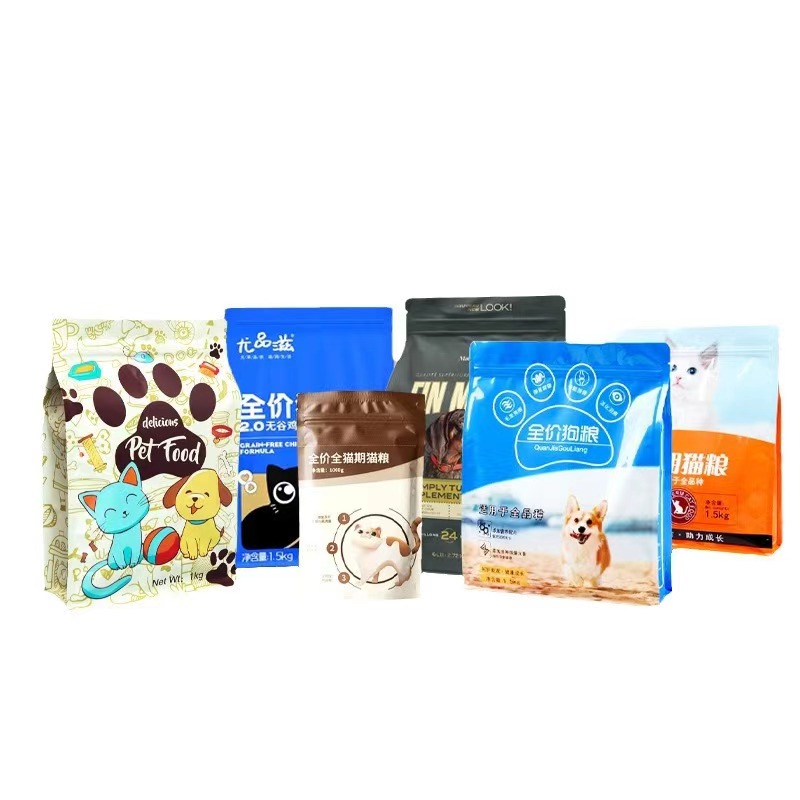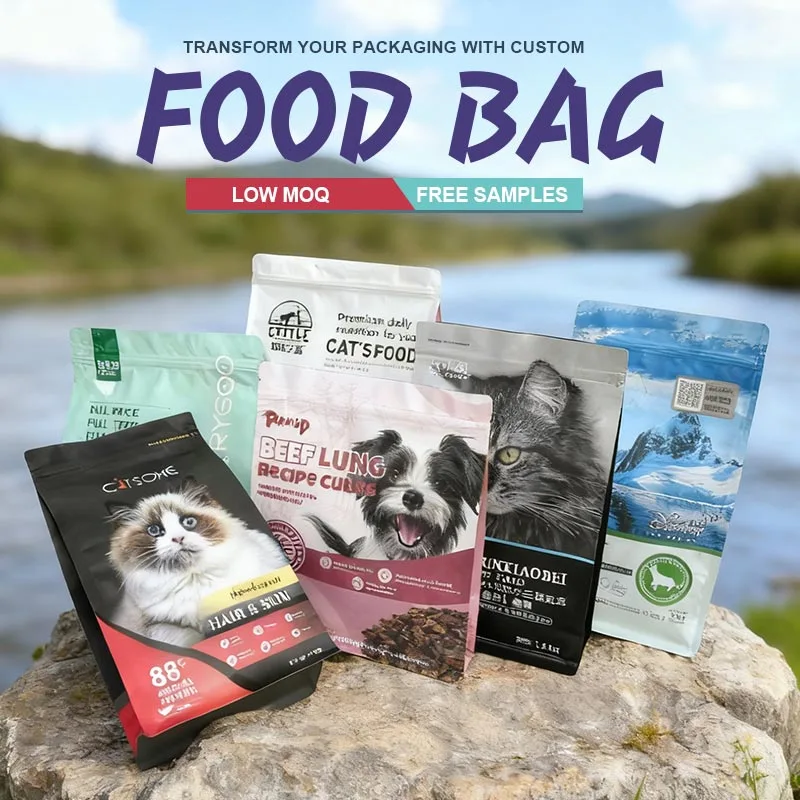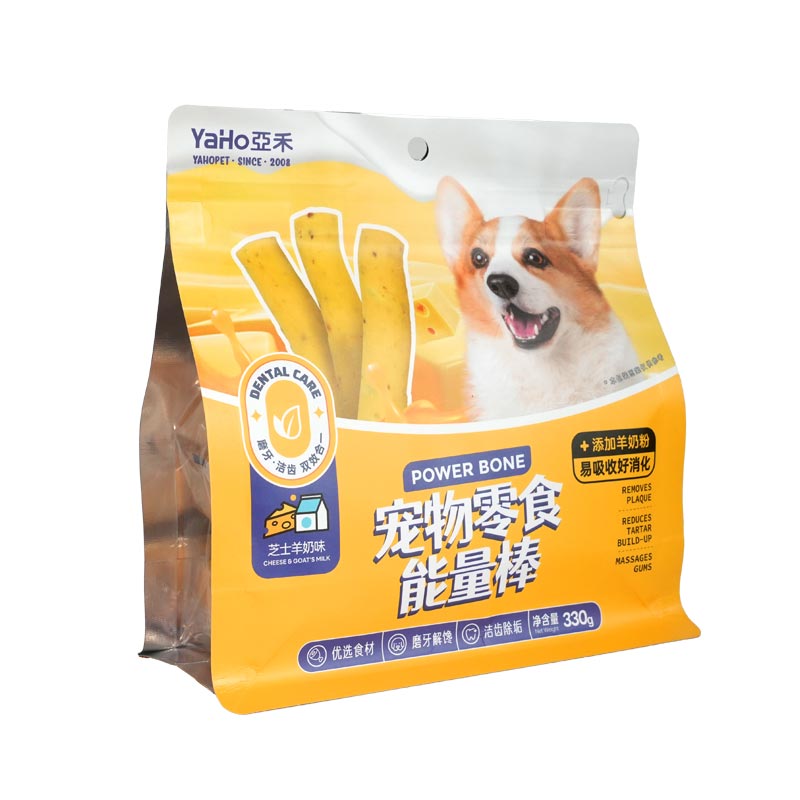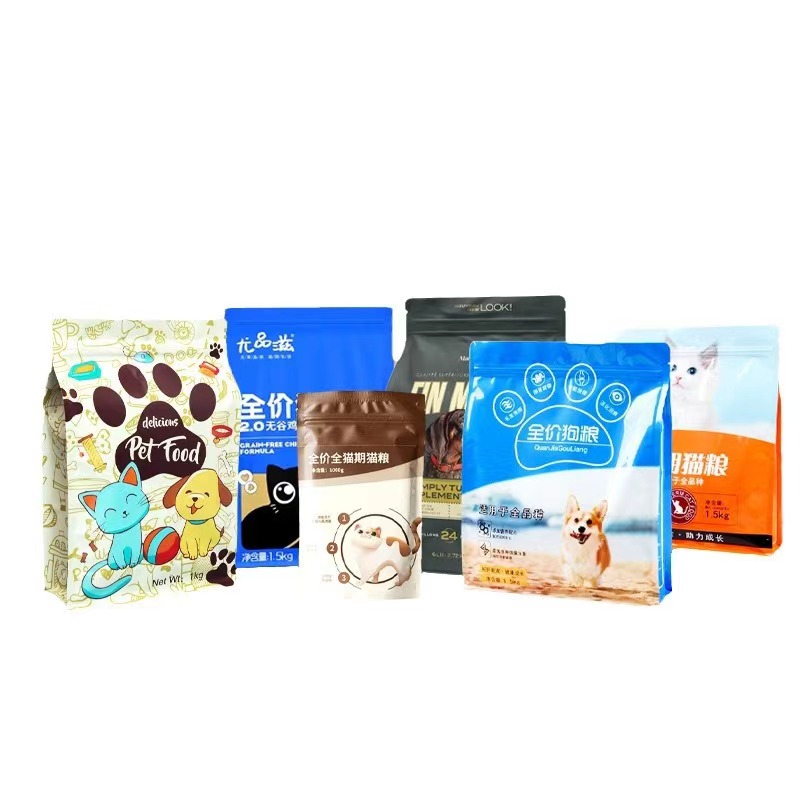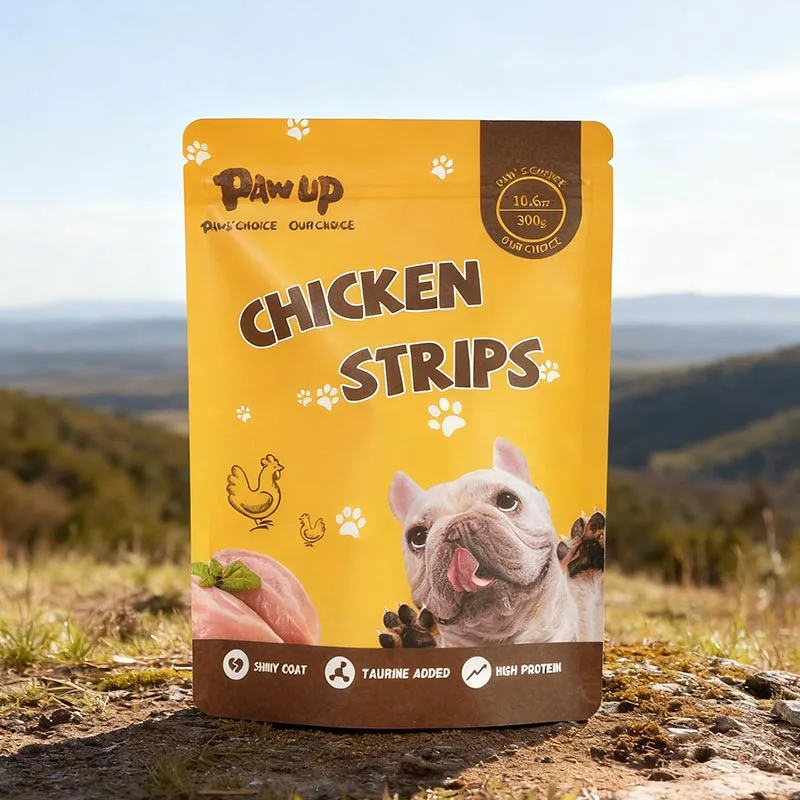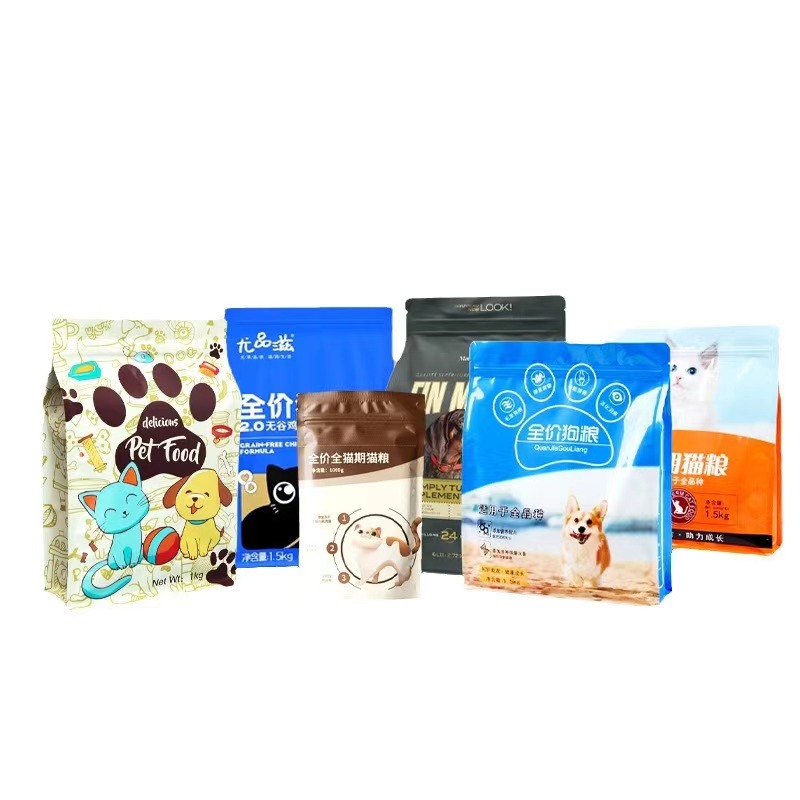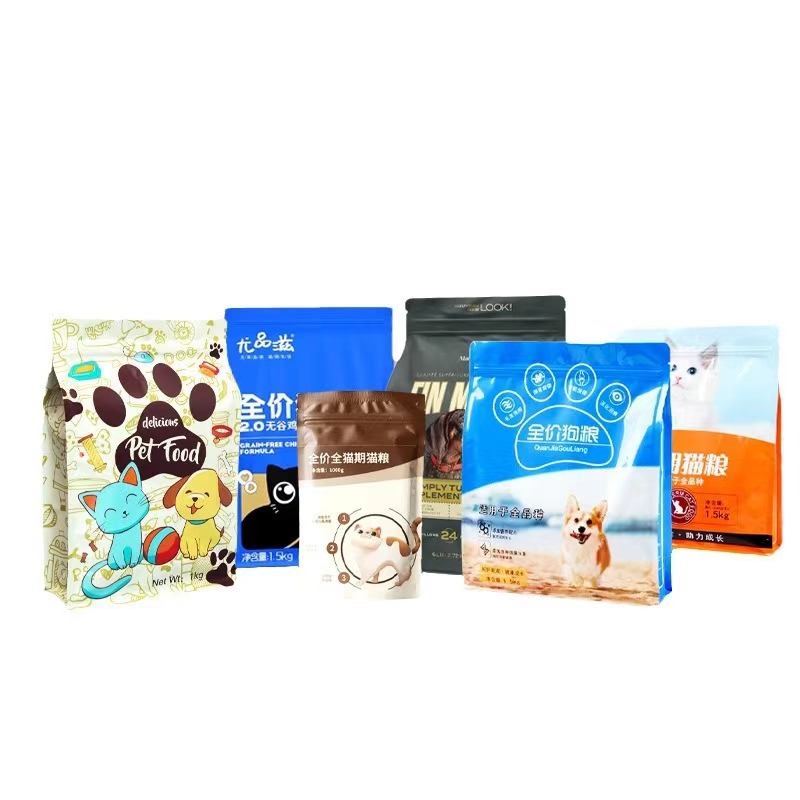
When people talk about cat food, most of the attention goes to ingredients, recipes, nutrition claims, and flavor. Yet one practical detail quietly decides how that product performs after production, during shipping, on the shelf, and inside a customer’s home: the packaging. A well-made bag does more than hold cat food. It helps protect aroma, slow down moisture intrusion, reduce leakage risk, improve storage convenience, and shape the way buyers judge a brand before they even open the product.
This is why Cat Food Packaging Bags deserve to be discussed with more care. If the bag structure is wrong, the zipper fails, the seal is weak, or the material does not match the product’s real storage conditions, the end result is usually the same: customer complaints, shortened freshness, and a weaker product impression. On the other hand, when the packaging is thoughtfully chosen, it becomes part of the value of the product rather than just an outer layer around it.
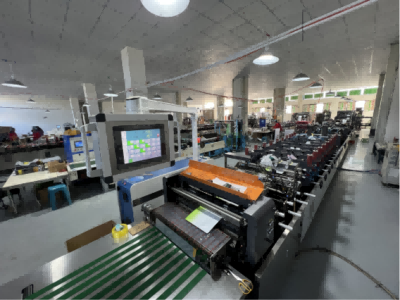
In this article, I want to look at the topic from the buyer’s side and focus on the problems that actually matter in day-to-day business. I will cover what makes one pouch more suitable than another, why format selection changes the user experience, and how a packaging supplier can either simplify the buying process or make it unnecessarily risky. In the current flexible packaging market, companies such as Nanyang Jinde Packaging Co., LTD are part of this conversation because cat food packaging is no longer a matter of appearance alone. It now has to work harder in every stage of the product journey.
Cat food is one of those categories where packaging is constantly being judged, even when the customer is not consciously thinking about it. A bag that opens poorly, does not reseal properly, looks flimsy on the shelf, or fails to preserve aroma creates an impression of lower quality almost immediately. It does not matter that the formula inside may be excellent. The customer interacts with the bag first, and that interaction sets the tone for everything that follows.
I think this is exactly why discussions around Cat Food Packaging Bags should start with usage rather than decoration. The package is touched, lifted, stored, folded, reopened, and sometimes exposed to kitchens, humidity, pet feeding areas, and repeated handling over days or weeks. So the right bag is not just a printed pouch with a logo. It is a tool that helps keep the food in better condition while making life easier for the person who bought it.
This becomes even more important in cat food because cats are often more sensitive than dogs to smell, texture, and freshness changes. Once the aroma weakens or the food begins to lose its crispness, the customer notices. If the zipper breaks after a few uses, the customer notices that too. In many cases, what looks like a product complaint is actually a packaging problem in disguise.
Buyers usually do not come to a supplier asking for a “beautiful pouch” in the abstract. More often, they are trying to solve something that has already gone wrong. Maybe the current package does not hold shape well enough. Maybe the printed result feels ordinary compared with competitors. Maybe the seal area fails during transport. Maybe customers complain that the bag is awkward to open and reseal. These issues sound small when written down, but commercially they are not small at all.
The most common problems tend to fall into a few practical categories:
What matters here is not just identifying the issue, but tracing where it begins. Sometimes the problem comes from the material structure. Sometimes it comes from an unrealistic attempt to save cost. Sometimes the artwork and the pouch format are fighting each other. And sometimes the supplier simply did not ask the right questions early enough.
One mistake I see quite often is treating all cat food as if it belongs in the same type of bag. That sounds efficient on paper, but in practice it usually creates compromise. Dry kibble, treats, freeze-dried food, frozen products, and prepared food do not behave the same way, so they should not always be packed in exactly the same structure.
A better way to think about Cat Food Packaging Bags is to begin with product behavior and customer handling. Does the food need stronger barrier protection? Will it be opened and closed many times? Does it need to stand upright for retail display? Does the product contain oils that can affect the seal area? Will the package be stored in cold conditions? The answers to those questions should guide the format.
| Product Situation | Packaging Direction | Why It Makes Sense |
|---|---|---|
| Dry cat food for daily use | Stand-up zipper pouch or flat bottom bag | Easy to store, easy to reseal, and visually stronger on the shelf |
| Premium cat treats | Compact pouch with upgraded print finish | Supports a better presentation for higher-value products |
| Freeze-dried cat food | High-barrier pouch with dependable sealing | Helps maintain product texture and protects against moisture |
| Frozen or cold-chain products | Cold-resistant bag structure | Reduces stress on the material during storage and handling |
| Heat-processed formulas | Retort-compatible packaging structure | Supports products that need stronger processing tolerance |
The point is not to choose the most complicated solution. The point is to choose the most appropriate one. That sounds obvious, but buyers are often pulled between appearance, budget, and speed. Without a clear priority order, it becomes easy to approve packaging that looks acceptable at first but creates problems later.
I would argue that this is where packaging decisions become genuinely commercial rather than merely technical. A bag is not judged by a factory alone. It is judged in use. That means the details customers live with every day matter a great deal.
Some of the most important details are easy to underestimate:
When these details come together well, customers may not praise the packaging explicitly, but they feel the difference. The product feels easier to trust. The brand feels more finished. The user experience becomes smoother in a way that supports repeat buying. That is why companies looking for better packaging often discover that they were not just buying a bag. They were refining the entire presentation of the product.
| Detail | Customer Impact | Business Impact |
|---|---|---|
| Reliable zipper | Better everyday convenience | Fewer complaints after opening |
| Stronger seal | Greater confidence in product safety | Lower damage risk in logistics |
| Better barrier | Longer-lasting freshness perception | More stable product performance |
| Cleaner print quality | Stronger shelf appeal | Improved brand image |
| Stable pouch design | Easier home storage | Better retail presentation |
Because customers rarely divide their judgment into separate departments. They do not look at the pouch and say, “This part belongs to packaging procurement, so I will ignore it.” They judge the product as one complete experience. If the bag feels weak, they may assume the quality behind the brand is weak. If the pouch looks polished, opens smoothly, reseals well, and stores neatly, they are more likely to feel the brand is careful and professional.
This is especially true in pet food, where emotional purchasing is mixed with practical purchasing. People are not only buying food. They are buying something for an animal they care about. So trust becomes part of the purchase decision. Good packaging supports that trust in a very visible way.
That is one reason why suppliers such as Nanyang Jinde Packaging Co., LTD are relevant to growing brands. A capable supplier should understand that packaging is not merely an output of dimensions and printing files. It is part of how the brand appears in the market and part of how the end user experiences the product at home.
A good supplier conversation should go beyond price, quantity, and artwork. If the exchange stays at that level, the project may move quickly, but not necessarily wisely. I think buyers get better results when they clarify the real operating conditions of the product from the start.
The more clearly these questions are answered, the less likely the buyer is to end up with a pouch that only looks acceptable in a sample photo. The goal should be a package that works in real circulation, real storage, and real consumer use.
Q1: Are all cat food bags basically the same if the size is similar?
Not at all. Two bags may look similar in dimensions but perform very differently depending on structure, sealing quality, barrier level, zipper design, and product compatibility.
Q2: Why do some customers complain even when the food formula is good?
Because packaging can affect freshness, convenience, and first impression. If the bag is difficult to use or fails to protect the food properly, the customer often sees that as a product problem.
Q3: Is a zipper always necessary for Cat Food Packaging Bags?
Not always, but for many retail cat food products, resealability is a major convenience feature and can significantly improve user experience after opening.
Q4: Should I choose packaging mainly by price?
Price matters, but choosing only by price can create hidden costs later through complaints, damaged goods, poor shelf impact, or lower repeat purchase confidence.
Q5: Can packaging help a smaller brand look more established?
Yes. A well-made pouch with the right structure and finish can make a product feel more credible, more organized, and more competitive in the market.
Q6: What is the smartest way to begin a new packaging project?
Start by defining the actual product needs, storage conditions, and customer usage habits. From there, packaging choices become much easier to evaluate logically.
If you are reviewing options for a new product line or trying to improve an existing one, it is worth slowing down and looking at the packaging as part of the product itself rather than a last-minute accessory. The right bag can strengthen freshness protection, improve daily convenience, support shelf appeal, and make the overall brand experience feel more complete.
Thoughtful packaging decisions often look simple from the outside, but they are rarely accidental. They come from understanding the product, the sales channel, the customer’s habits, and the image the brand wants to build. That is exactly why selecting the right Cat Food Packaging Bags matters more than many companies first assume.
If you are looking for packaging that better matches your cat food product, your brand direction, and your market expectations, this is the right moment to start that discussion seriously. To explore custom pouch styles, material options, printing ideas, and packaging solutions designed around real product needs, contact us and talk with Nanyang Jinde Packaging Co., LTD about your next packaging project.