News

Dried Fruit Packaging: Why Eight-Side Seal Bags Are the Preferred Choice

2026-03-19 0 Leave me a message

Dried fruits are a popular and nutritious snack option, offering convenience and long shelf life. The core packaging solution for dried fruits is plastic soft packaging, which not only helps maintain the freshness of the product but also ensures convenience and attractive presentation. Today, we will discuss the key aspects of dried fruit plastic soft packaging, with a focus on the widely adopted eight-side seal bag, material selection, and the most common customer concerns.

Why Choose an Eight-Side Seal Bag for Dried Fruit?

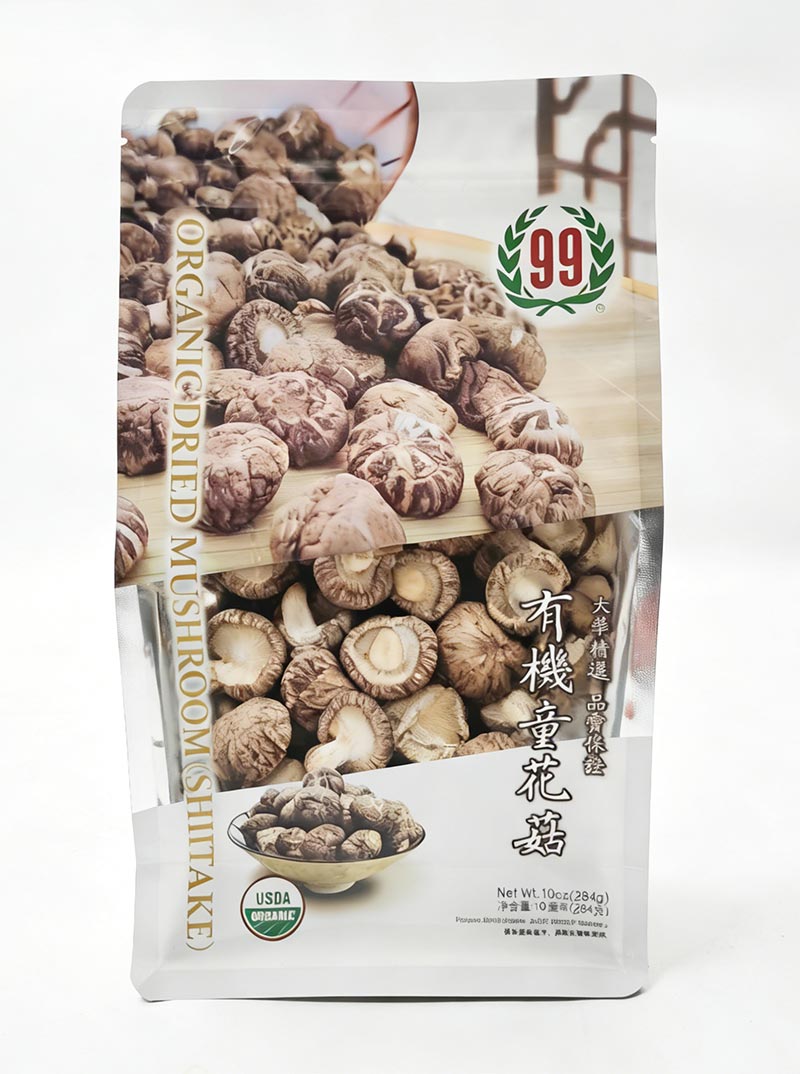
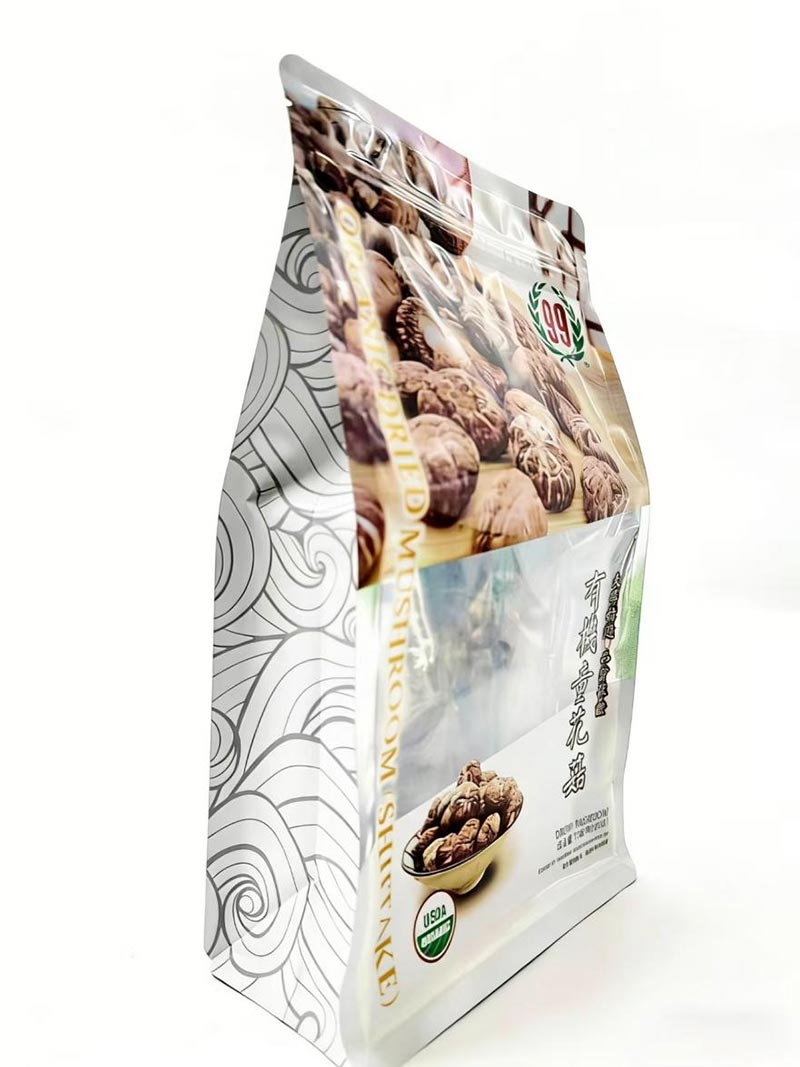
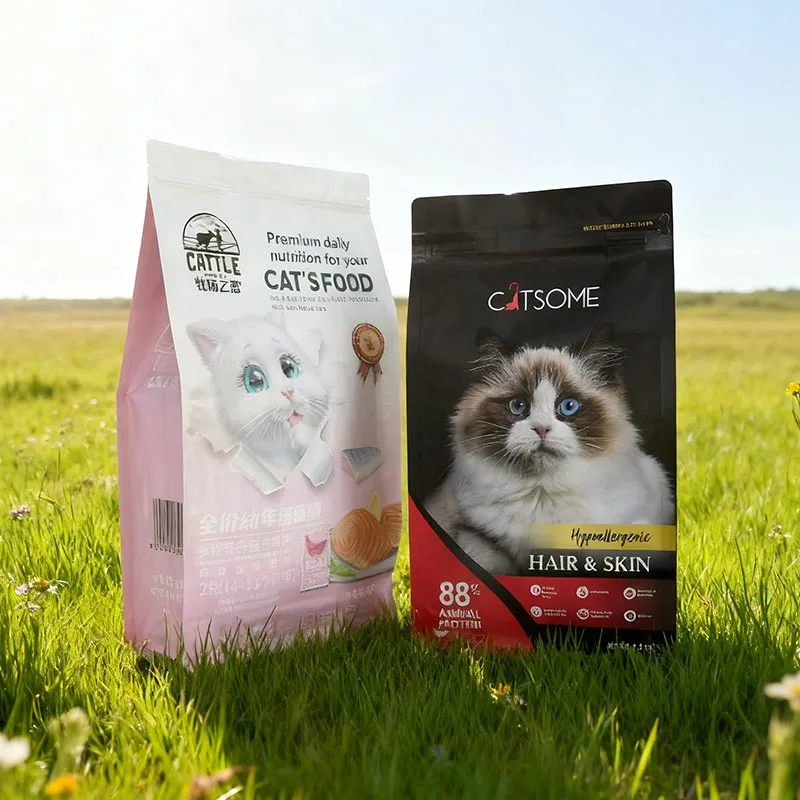
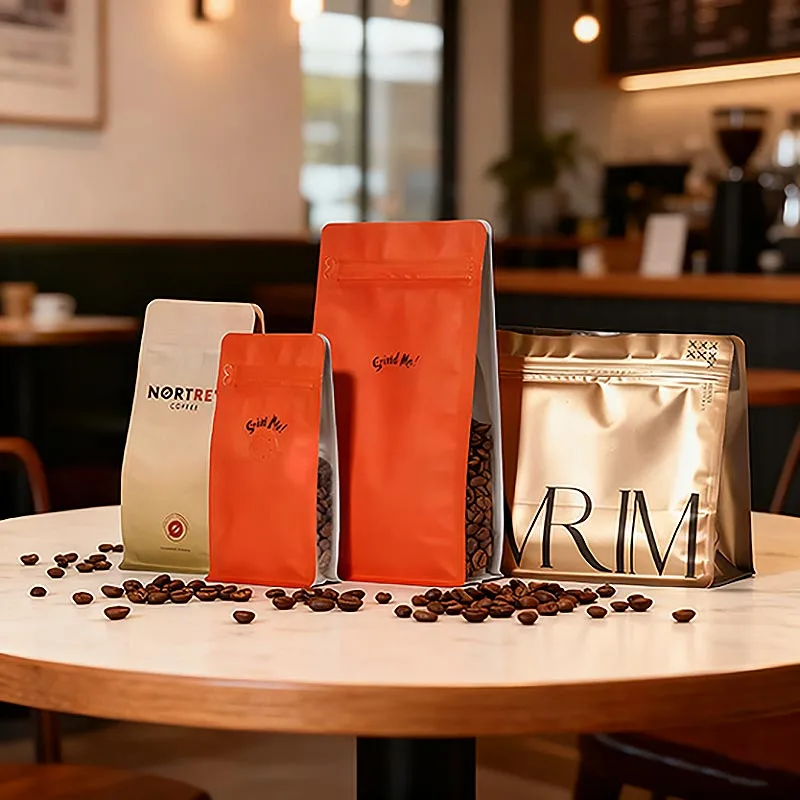
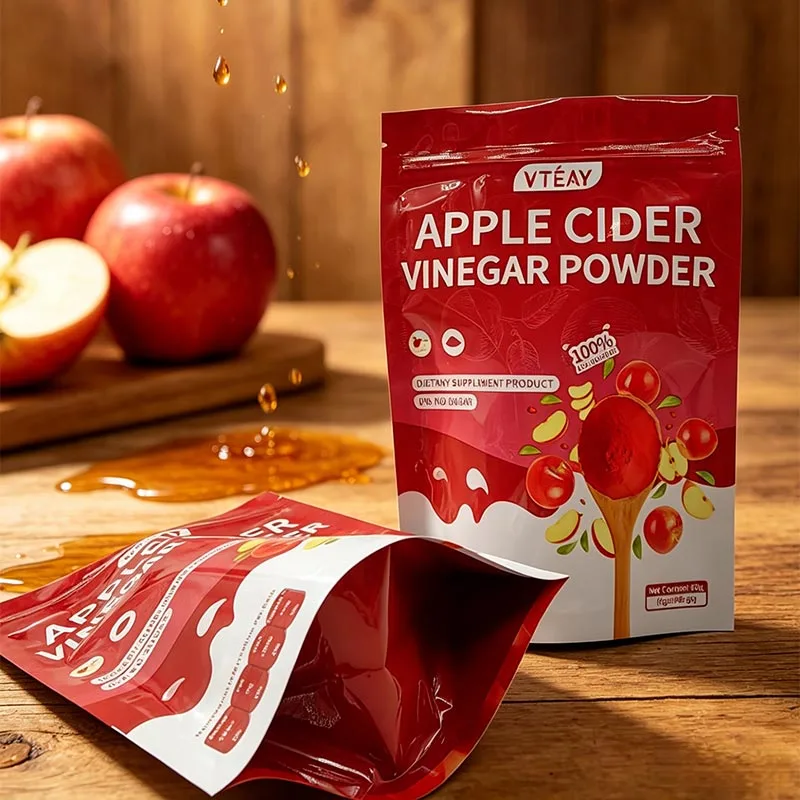
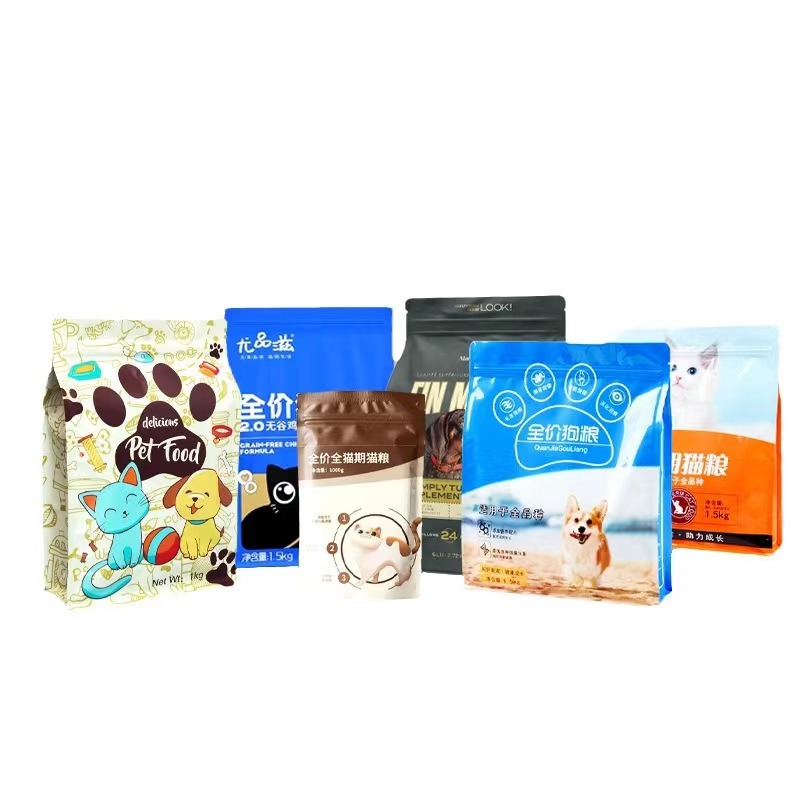
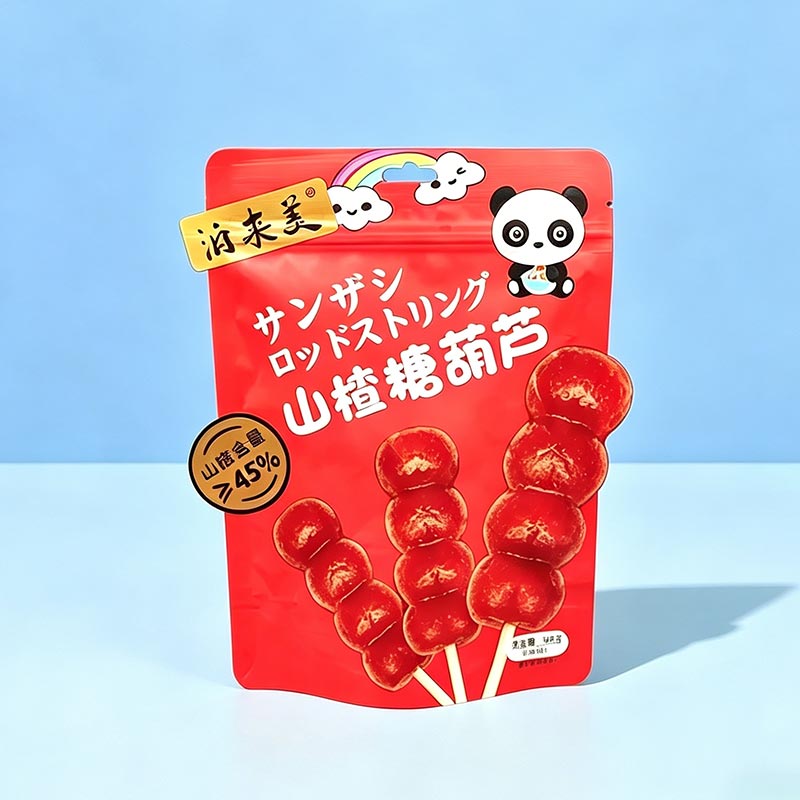
The choice of packaging directly impacts the storage and presentation of dried fruits. The main types of packaging available on the market include three-side seal, four-side seal, stand-up pouches, and eight-side seal bags. Among these, the eight-side seal bag is the preferred choice. Compared to other bag types, the eight-side seal bag features eight sealed edges, allowing it to stand upright with a flat bottom, making it ideal for display on store shelves. This bag type provides five sides for branding and can be customized with various graphics, making it suitable for both retail and e-commerce.

Benefits of Eight-Side Seal Bags

  • Stability & Display: The flat bottom and upright position provide excellent shelf display capability, making the product more attractive to consumers.
  • Enhanced Seal & Freshness: The eight-side seal offers superior sealing, and when paired with a resealable zipper, it helps keep the product fresh by preventing moisture and oxidation.
  • Branding Potential: With five sides available for printing, the packaging provides ample space for brand information, product features, and visuals, enhancing marketing efforts.
  • Multi-Scenario Use: Ideal for both retail shelves and online store listings, providing versatility across various sales channels.

Materials Used in Dried Fruit Packaging

The choice of material is critical for soft packaging, as it needs to balance safety, preservation, and adaptability. The most commonly used material for dried fruit packaging is composite film. The following materials are typically used in combination:

  • PE (Polyethylene): Safe, non-toxic, and highly flexible. It ensures the product is securely sealed.
  • PET (Polyethylene Terephthalate): Clear and transparent, providing excellent product visibility.
  • PA (Polyamide): Offers excellent puncture resistance, preventing hard dried fruits from damaging the packaging.
  • Aluminum Foil Composite: Provides superior barrier properties to prevent moisture and extend shelf life.

In practice, a combination of these materials is used to ensure the best advantages in terms of product safety, freshness preservation, and packaging durability.

Key Concerns for Customers

When selecting dried fruit packaging, customers often have three main concerns:

  1. Safety: All materials used in our packaging are food-grade, free from harmful residues, ensuring product safety.
  2. Freshness: Our sealing technology, combined with high-barrier materials and nitrogen flushing, effectively protects against moisture and oxidation, preserving the freshness of the dried fruit.
  3. Cost & Customization: Eight-side seal bags can be customized in size to meet client needs. Bulk production helps control costs while offering multi-color printing options for branding.


High-quality plastic soft packaging is crucial for protecting the integrity and freshness of dried fruits. The eight-side seal bag, with its many advantages, is the top choice for packaging, ensuring that the product maintains its original flavor while also meeting the storage and display needs of businesses.

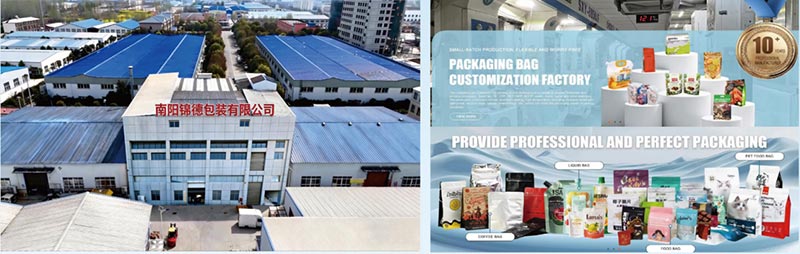
For more information on customized packaging solutions, contact us at Jinde Packaging and discover the best ways to package your dried fruit products.

Related News
Leave me a message
X
We use cookies to offer you a better browsing experience, analyze site traffic and personalize content. By using this site, you agree to our use of cookies.Privacy Policy
RejectAccept