Article Summary: A reliable Cat Litter Bag does more than hold a heavy pet product. It protects cat litter from moisture, supports clean pouring and storage, helps brands look trustworthy on the shelf, and reduces product loss during transport. This article explains how buyers, pet product brands, and distributors can evaluate cat litter packaging by structure, barrier performance, sealing method, material strength, shelf presentation, and customization options. It also discusses how Nanyang Jinde Packaging Co., LTD supports practical packaging choices for modern cat litter brands.
Cat litter looks simple from the outside, but anyone who has handled it in bulk knows the packaging challenge is not small. A Cat Litter Bag often needs to carry a heavy, granular, dusty, and moisture-sensitive product. If the bag is weak, the corners split. If the seal is poor, the product absorbs moisture. If the design is inconvenient, customers complain every time they open, pour, and store the bag.
For pet product brands, packaging failure is rarely just a packaging issue. It can become a customer service issue, a warehouse issue, a retail display issue, and eventually a brand trust issue. A leaking bag may create dust in cartons. A bag that cannot stand properly may look messy on shelves. A poorly sealed bag may make premium litter feel cheap before the customer even uses it.
This is why the right Cat Litter Bag should be evaluated as part of the product experience. It has to protect the contents, present the brand clearly, and make daily use easier for pet owners. Good packaging does not ask the customer to forgive its flaws. It quietly does its job from factory filling to home storage.
The structure of a Cat Litter Bag should match the product weight, sales channel, and customer usage habits. A lightweight sample pack may not need the same structure as a large retail bag. A premium tofu litter brand may care more about clean shelf presentation, while a bulk bentonite litter supplier may focus more on strength and puncture resistance.
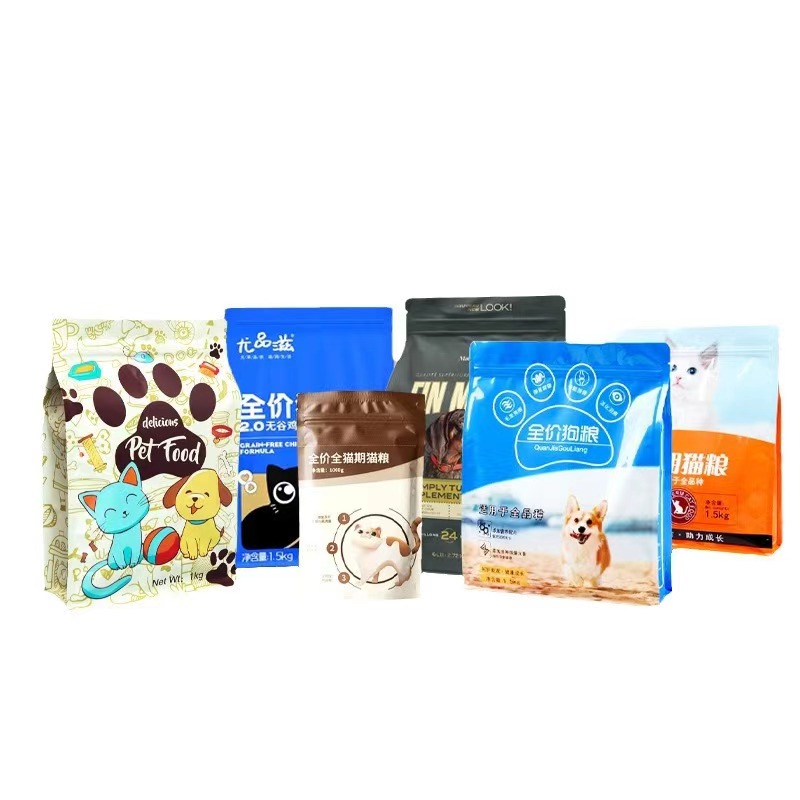
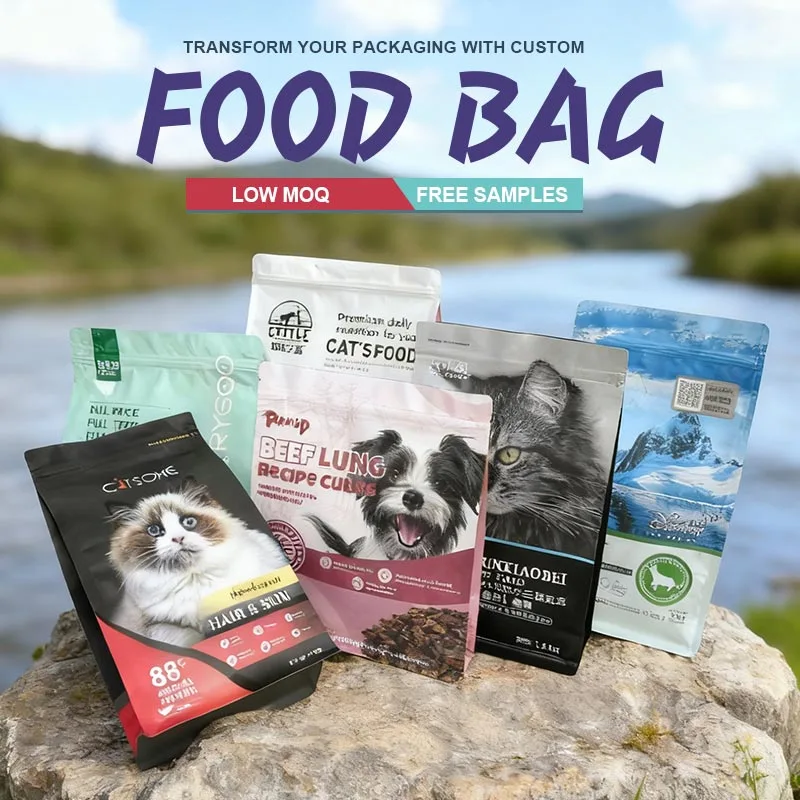
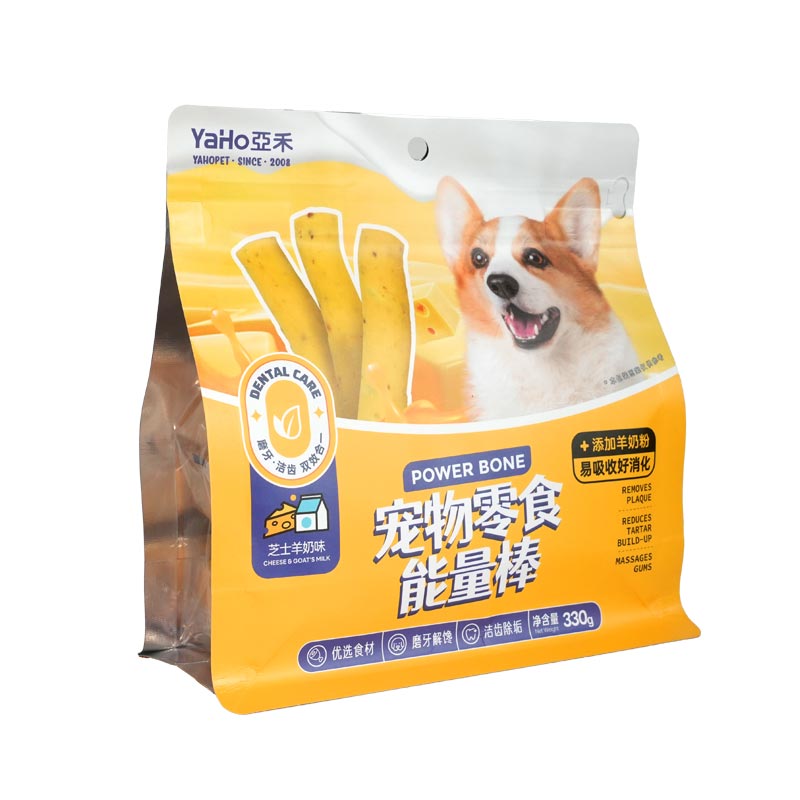
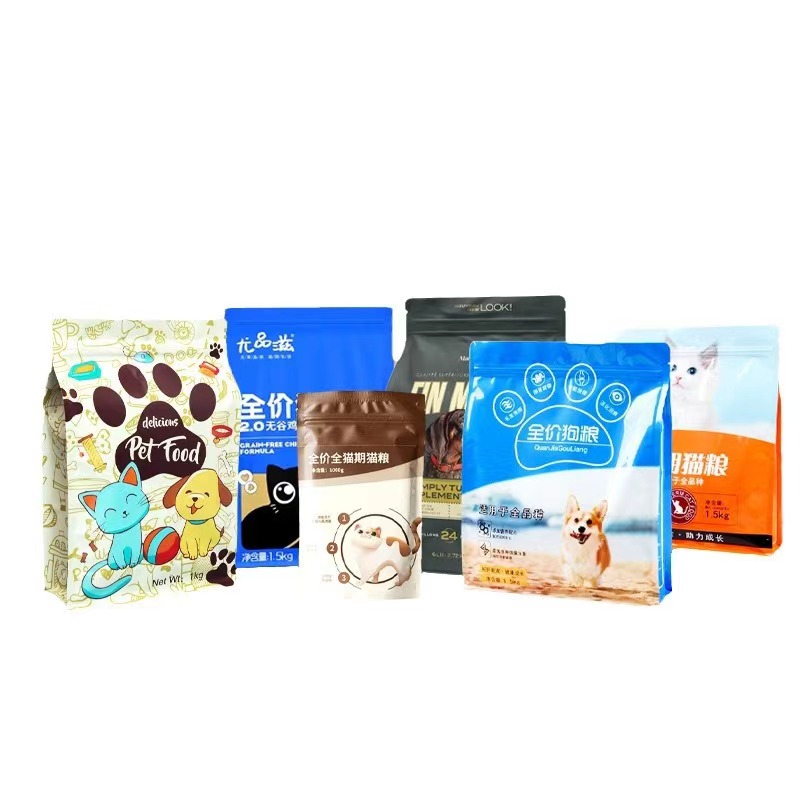
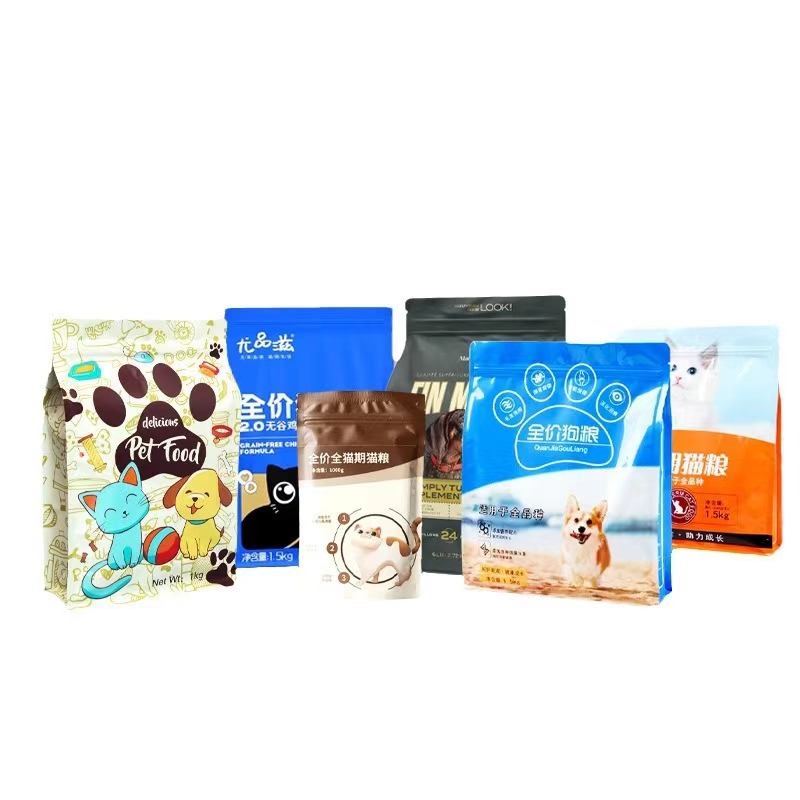
Eight-sided self-standing bags are often preferred for cat litter because they provide a stable three-dimensional shape. Compared with a loose pillow-style bag, this structure can stand more neatly on shelves and in storage areas. It also gives brands more printable surfaces for product information, usage instructions, icons, and visual identity.
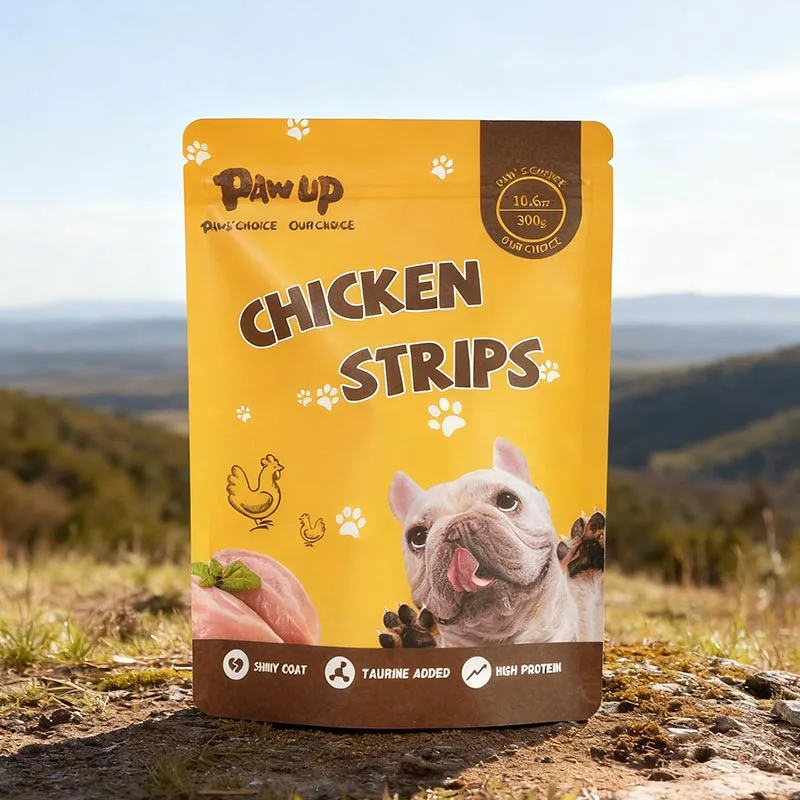
A zipper structure is another important detail. Once customers open the bag, they may not use all the litter immediately. A resealable zipper helps keep the remaining product protected and makes the bag easier to store. For households with limited space, this can be a real advantage. No one wants a half-open bag of litter spilling beside the cat supplies.
| Bag Structure | Best Use Scenario | Main Advantage |
|---|---|---|
| Eight-sided self-standing bag | Retail cat litter packaging, premium pet supply brands | Stable shelf display, strong structure, large branding area |
| Self-sealing zipper bag | Products used over multiple days or weeks | Better storage after opening and improved customer convenience |
| Aluminum foil composite bag | Moisture-sensitive or premium cat litter products | Improved moisture and light protection |
| Bag with transparent window | Products where texture, color, or pellet shape helps sales | Allows customers to see the product before purchase |
| Frosted finish bag | Brands seeking a softer, modern retail look | Enhances touch, appearance, and perceived product value |
Moisture protection is one of the most important performance factors for a Cat Litter Bag. Cat litter is expected to absorb moisture when used, not while sitting in storage. If the packaging allows humidity to enter too easily, the product may clump, harden, lose freshness, or create a less pleasant user experience.
Multi-layer composite materials are commonly used because one single layer may not provide enough strength, barrier protection, print performance, and sealing reliability at the same time. A practical structure may combine outer printing layers, middle barrier layers, and inner heat-sealing layers. The exact material choice depends on the product type, bag size, filling method, transport conditions, and market positioning.
For higher-end cat litter products, aluminum foil composite packaging can help improve barrier performance against moisture and light. This is especially useful when the brand wants to maintain a premium image and reduce quality risks during storage and shipping. For other products, a strong moisture-proof composite film may be enough, especially when paired with a reliable zipper and proper sealing process.
Material strength also matters because cat litter can be heavy and rough. Granules may press against the film during stacking and movement. If the material is too thin or the seal is not designed well, the bag may develop weak points. A good packaging supplier should consider not only how the bag looks in a product photo, but also how it behaves when filled, stacked, packed into cartons, transported, opened, and reused.
Customers may buy cat litter because of product performance, but they remember the packaging every time they use it. A poorly designed Cat Litter Bag can make a good product feel inconvenient. The opening may tear unevenly. The bag may collapse while pouring. The zipper may be hard to close. The product may spill, create dust, or become difficult to store.
Good design reduces these small frustrations. A stable bottom helps the bag stand upright. A wide opening makes pouring easier. A strong zipper allows repeated use. A clean tear structure helps customers open the bag without scissors. A handle or grip area can be useful for heavier sizes. Clear printed instructions also help customers understand product features quickly.
For brands, customer experience is not limited to the first purchase. If a buyer uses the product for two weeks and the bag stays clean, upright, and easy to reseal, that buyer is more likely to remember the brand positively. Packaging becomes part of the product’s perceived quality.
| Customer Pain Point | Packaging Solution | Brand Benefit |
|---|---|---|
| Bag falls over after opening | Eight-sided self-standing structure | Cleaner storage and better daily usability |
| Litter absorbs moisture | Moisture-proof composite film or aluminum foil layer | Better product protection and fewer complaints |
| Opened bag is hard to close | Resealable zipper closure | Improved customer satisfaction after purchase |
| Product quality is hard to judge | Transparent window design | More visual trust at the retail shelf |
| Heavy contents cause tearing | Thicker composite material and stronger sealing | Lower transport loss and better brand reliability |
Retail packaging has to win attention quickly. A Cat Litter Bag may sit beside many similar products, so the structure, color, finish, typography, and visible product information must work together. A bag that stands firmly and shows clear branding already has an advantage over packaging that looks wrinkled or unstable.
Large printable surfaces give brands more room to communicate. The front panel can highlight product type, scent, absorbency, dust control, weight, and key selling points. Side panels can carry usage directions, ingredient information, storage advice, barcode placement, and brand story. For international markets, the design may also need multilingual text and compliance-related details.
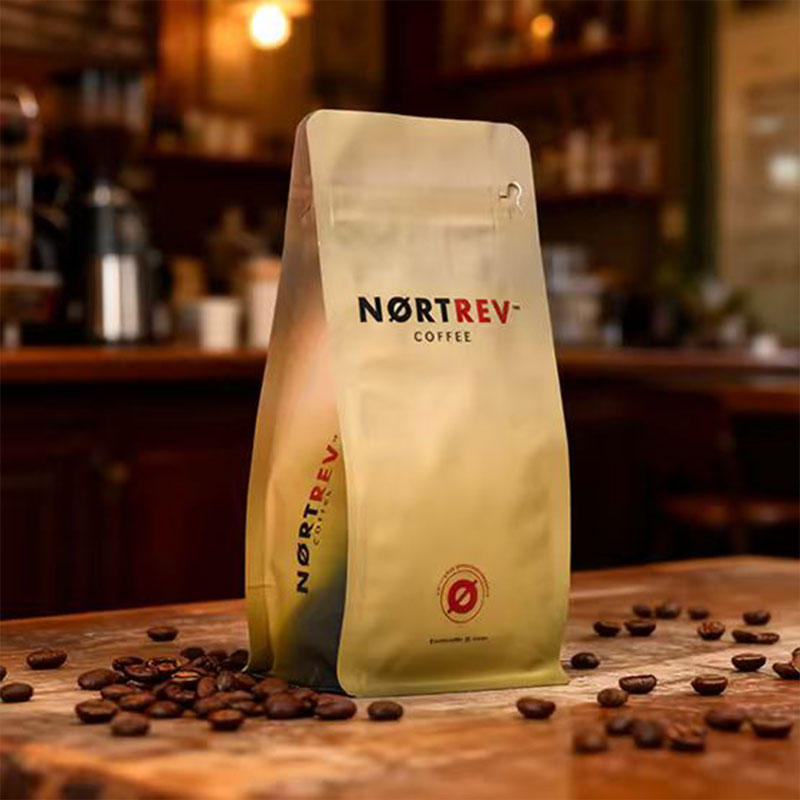
Surface finish influences perception as well. A glossy aluminum-style bag may suggest freshness and barrier protection. A frosted finish may feel softer and more premium. A window design can make the product more transparent, especially when the litter has a distinctive pellet shape or color. These are not random decoration choices. They affect whether a customer feels confident enough to pick up the bag.
Nanyang Jinde Packaging Co., LTD can support brands that need custom printing, custom structure, and packaging designs that match different product lines. For example, an economy line may use a more direct and practical design, while a premium line may require a stronger shelf presence with matte texture, aluminum foil material, or a shaped window.
Before ordering a custom Cat Litter Bag, buyers should avoid choosing only by price. A low-cost bag can become expensive if it causes leakage, poor shelf display, customer complaints, or product waste. The better approach is to compare packaging based on actual product requirements.
Start with the cat litter type. Tofu litter, bentonite litter, crystal litter, mixed litter, and deodorizing litter may have different moisture sensitivity, particle shape, density, and filling behavior. Then consider the sales channel. Online shipping may require stronger puncture resistance and carton compatibility, while supermarket display may require stronger visual impact and shelf stability.
Buyers should also confirm bag size, loading weight, sealing method, zipper quality, printing design, minimum order quantity, sample process, lead time, and after-sales communication. A packaging supplier should be able to discuss these points clearly instead of only asking for artwork and size.
Nanyang Jinde Packaging Co., LTD provides custom flexible packaging solutions for pet supply brands that need practical and market-ready cat litter packaging. Instead of treating the bag as a simple container, the company focuses on structure, sealing, material choice, printing effect, and product protection.
For brands that need a durable Cat Litter Bag, options may include eight-sided self-standing structures, zipper closures, aluminum foil composite materials, moisture-proof and light-proof designs, frosted finishes, and transparent window styles. These options allow buyers to match packaging style with product grade, retail channel, and customer expectations.
A strong packaging project usually begins with clear communication. The buyer provides product type, filling weight, preferred bag style, artwork needs, and market requirements. The packaging team then helps evaluate structure and material direction. This process can reduce trial-and-error and make the final bag more suitable for real commercial use.
For pet product companies, the goal is not only to create a beautiful package. The goal is to create packaging that protects the product, supports the brand image, improves user convenience, and performs reliably from production to purchase. That is where a professional supplier can make a meaningful difference.
Q1: What is the best structure for a heavy Cat Litter Bag?
An eight-sided self-standing structure is often a strong choice for heavy cat litter products because it offers better shelf stability, more printable space, and stronger visual presentation. However, the best structure still depends on filling weight, material choice, and sales channel.
Q2: Is a zipper necessary for cat litter packaging?
A zipper is highly recommended for cat litter products that are not used all at once. It helps customers reseal the bag after opening, which improves storage convenience and helps reduce moisture exposure.
Q3: When should brands choose aluminum foil cat litter bags?
Aluminum foil composite bags are suitable for brands that need stronger moisture and light protection, especially for premium cat litter lines or products that require longer storage stability.
Q4: Can a transparent window help sell cat litter?
Yes. A window can help customers see the product texture, color, or pellet shape before buying. This is useful when the visible product quality supports the brand’s selling point.
Q5: What information should I prepare before requesting a custom quotation?
You should prepare bag size, filling weight, cat litter type, preferred structure, material requirements, printing artwork, order quantity, and any special features such as zipper, handle, easy-tear opening, aluminum foil layer, or transparent window.
Q6: Can Nanyang Jinde Packaging Co., LTD customize Cat Litter Bag designs for different brands?
Yes. Nanyang Jinde Packaging Co., LTD can support customized packaging structures, printing designs, material choices, and functional details for different cat litter brands and market positions.
A reliable Cat Litter Bag is not only about thickness or appearance. It is about how well the packaging protects the product, supports transport, improves shelf display, and makes everyday use easier for customers. For cat litter brands, the right bag can reduce moisture problems, prevent leakage, improve customer satisfaction, and strengthen brand trust.
From eight-sided self-standing bags to aluminum foil moisture-proof designs, from zipper closures to transparent windows, every detail should serve a clear purpose. When these details work together, packaging becomes a quiet but powerful part of the product experience.
If your brand is looking for a durable, attractive, and customizable Cat Litter Bag, Nanyang Jinde Packaging Co., LTD can help you develop packaging that fits your product, your market, and your customers’ expectations. For custom structures, material suggestions, printing options, and project support, contact us today and start creating packaging that makes your cat litter products easier to trust, easier to use, and easier to sell.
-