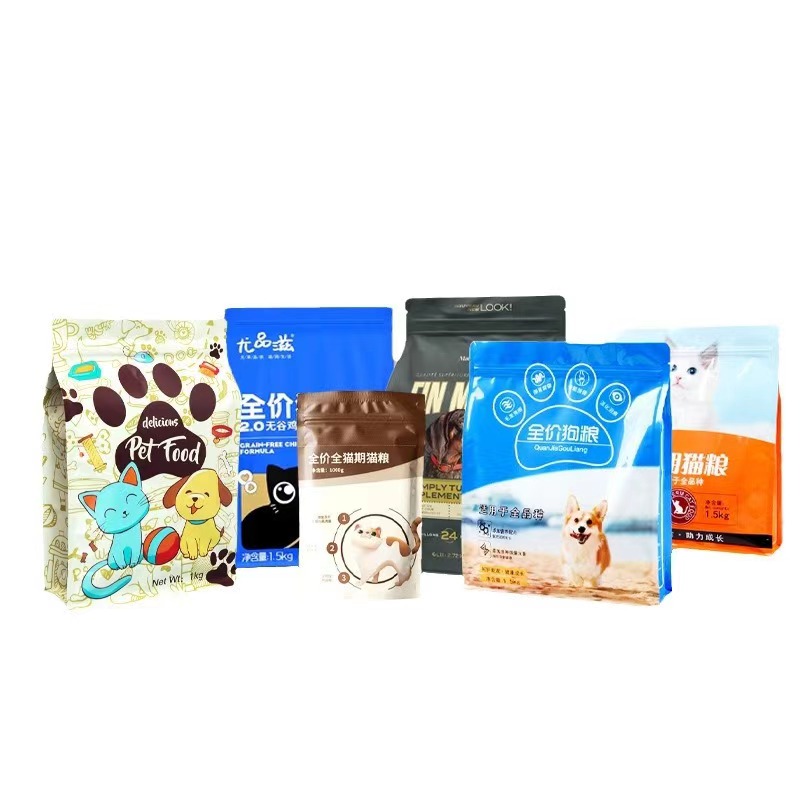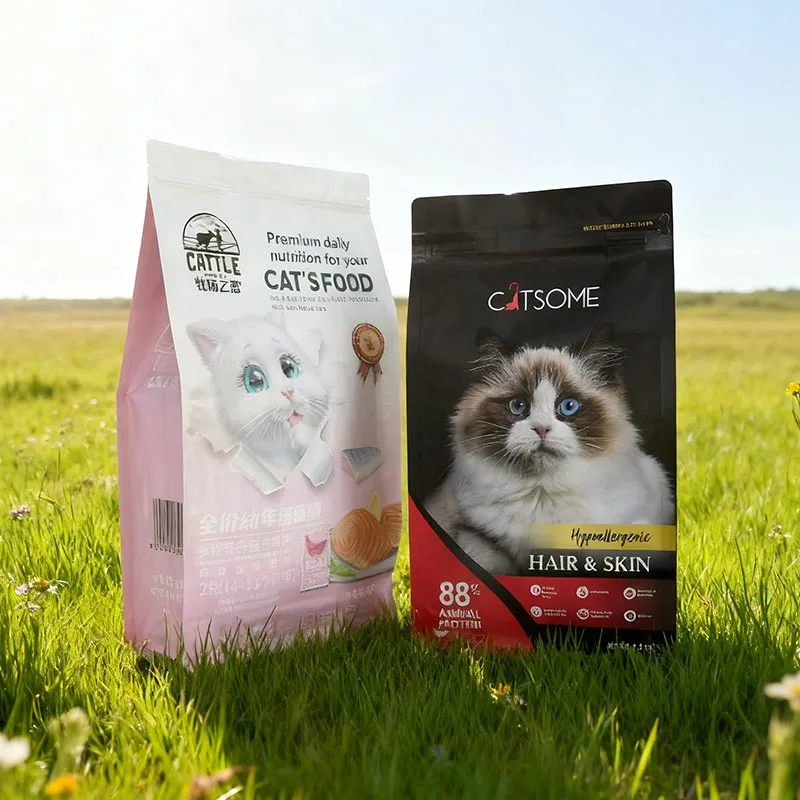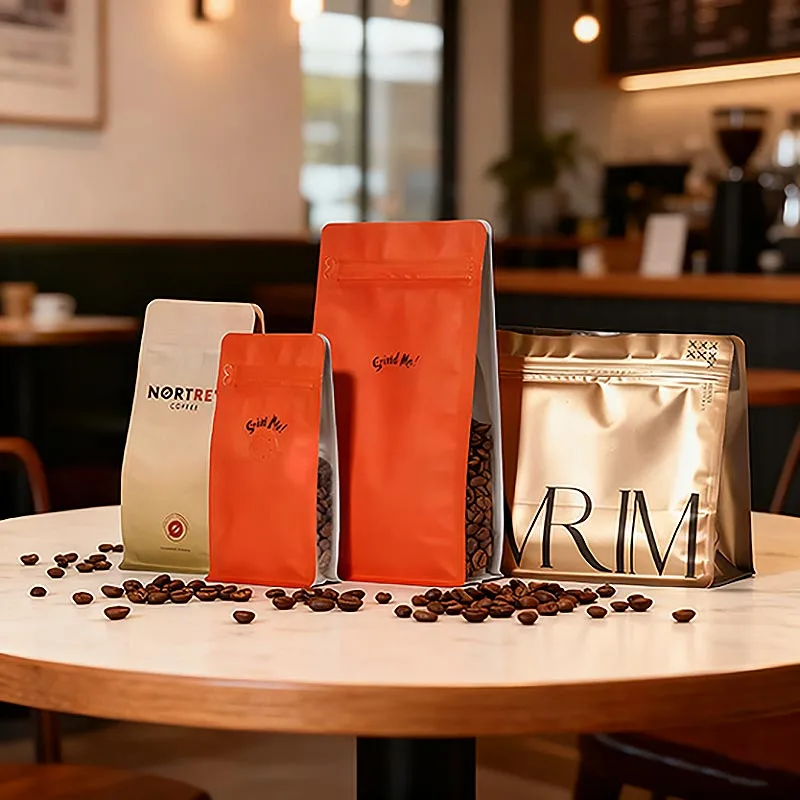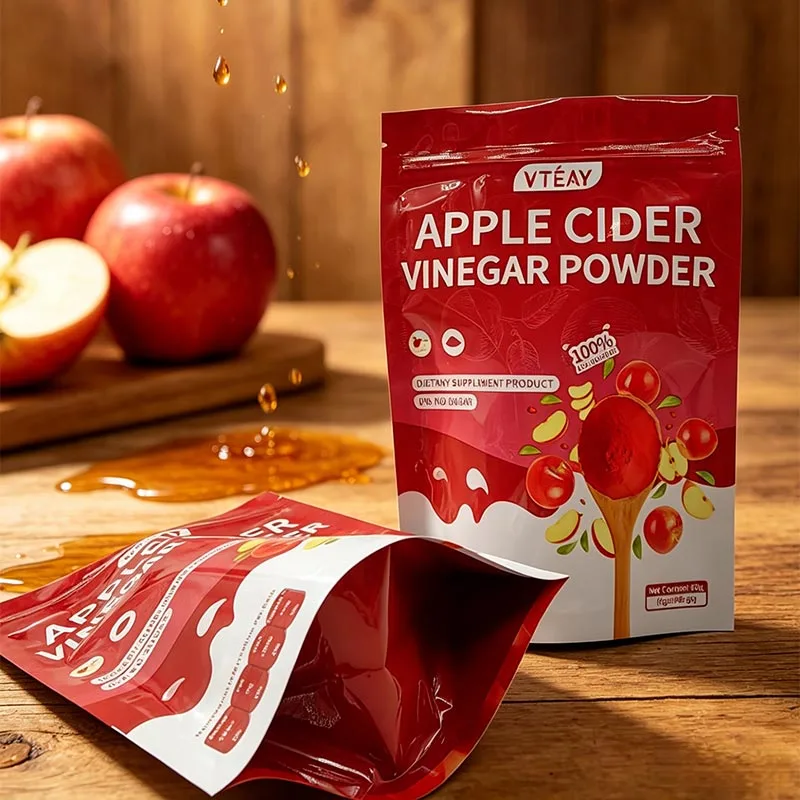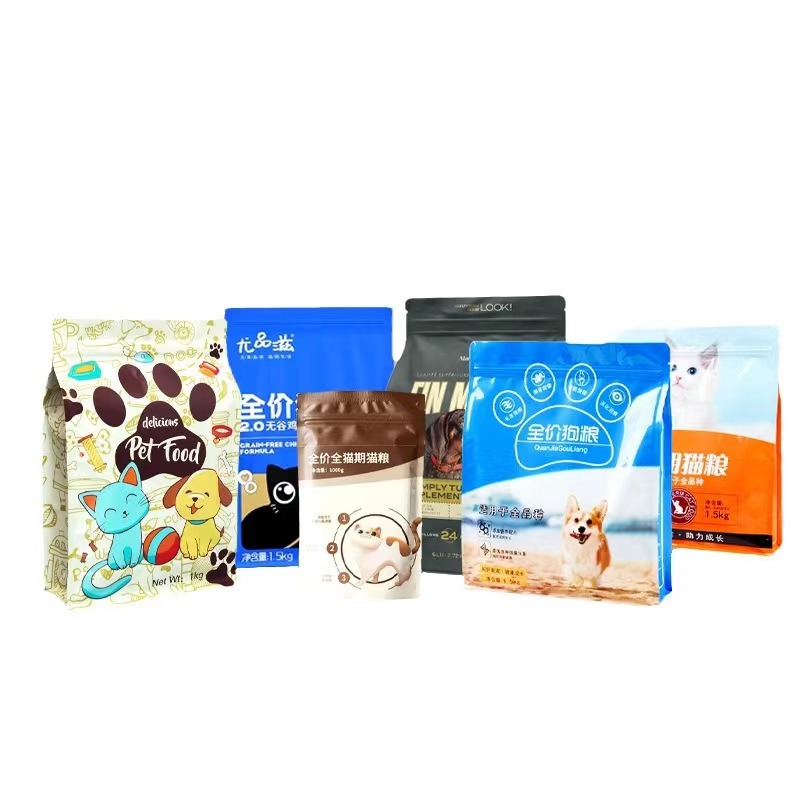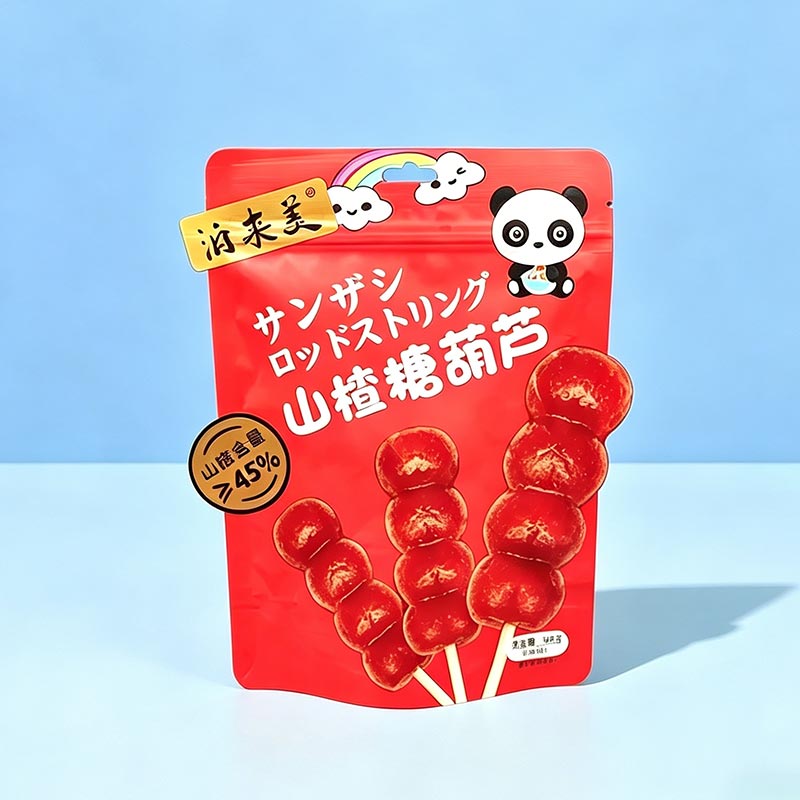
When buyers compare shelves or scroll through product listings, packaging speaks before the bird food ever does. For brands that sell seeds, pellets, mixed feed, or specialty nutrition blends, Bird Food Packaging Bags do far more than hold product. They protect aroma, block moisture, reduce breakage, improve storage efficiency, and shape how customers judge quality. At the same time, poor packaging can lead to clumping, oxidation, odor loss, messy handling, and costly complaints.
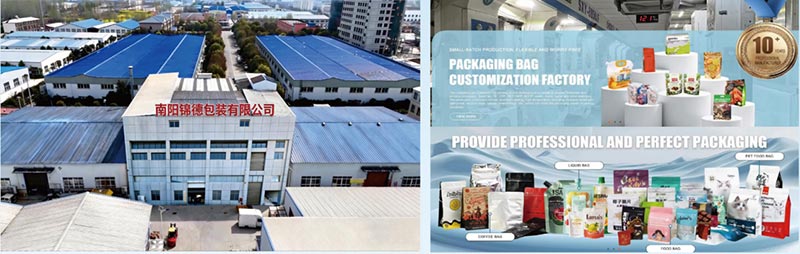
That is why more pet food brands are paying closer attention to material structure, sealing performance, resealable features, and print presentation. Nanyang Jinde Packaging Co., LTD understands that packaging for bird feed is not a decorative afterthought. It is a practical business tool that helps brands preserve product value from filling line to warehouse, from shipping carton to retail shelf, and from first opening to repeated daily use.
This article explains what buyers and bird food brands should look for when selecting Bird Food Packaging Bags. It explores the biggest packaging pain points in the bird feed market, including moisture damage, aroma loss, poor shelf impact, inconvenient opening, and weak transport performance. It also breaks down material choices, bag formats, sealing methods, customization priorities, and common sourcing mistakes. If you want packaging that protects product quality while strengthening your brand image, this guide will help you make more confident decisions.
Bird food may look simple, but it creates a surprisingly demanding packaging environment. Different formulas contain seeds, grains, dried fruit inclusions, pellets, vitamin blends, and oils. Some products are dusty. Some contain sharp seed edges. Some are sold in small daily-use packs, while others are packed in larger retail or wholesale sizes. All of this means packaging must perform consistently under pressure.
In real commercial settings, the most common complaints usually come from the same areas. Customers open a bag and notice the feed no longer smells fresh. Retailers find packs losing shape on the shelf. Importers receive cartons with damaged corners or burst seals after transport. Online sellers struggle with reviews that mention awkward opening, poor reclosure, or product spilling after first use.
Effective Bird Food Packaging Bags balance protection, convenience, and presentation. A bag that blocks moisture but tears too easily is not enough. A pouch that looks attractive but cannot maintain freshness after opening is also not enough. The strongest packaging choices combine barrier performance with a structure that works in real retail and home-use conditions.
For most bird food products, buyers want packaging that preserves flavor and nutrients, survives transport, stands out visually, and remains convenient after purchase. This is why many brands prefer multi-layer constructions with dependable sealing, clean printing, and optional zipper features.
| Packaging Requirement | Why It Matters | Business Impact |
|---|---|---|
| Moisture barrier | Helps keep feed dry and stable | Reduces spoilage complaints and return risk |
| Oxygen resistance | Supports aroma and freshness retention | Improves customer satisfaction after opening |
| Strong heat sealing | Prevents leakage during warehousing and delivery | Lowers transport loss |
| Puncture resistance | Protects against sharp seed edges and rough handling | Improves supply chain reliability |
| Resealable closure | Makes repeated use cleaner and easier | Raises user convenience and product preference |
| Quality printing | Communicates brand value clearly | Strengthens shelf appeal and recognition |
This is where experienced manufacturers bring real value. Nanyang Jinde Packaging Co., LTD focuses on packaging structures that help bird food brands protect product quality while meeting practical market demands such as transport durability, display performance, and customization flexibility.
There is no single perfect format for every bird food brand. The right style depends on pack size, filling method, market positioning, and user habits. Premium retail products often benefit from stand-up pouches with strong visual presence. Everyday value packs may need a more cost-conscious structure. Specialty blends may require an added zipper or stronger barrier layer.
| Bag Style | Best Use Scenario | Main Advantage |
|---|---|---|
| Stand-up pouch | Retail bird seed and premium feed blends | Excellent shelf display and brand visibility |
| Eight-side sealed bag | Larger capacity or premium presentation | Stable shape and stronger premium image |
| Zipper pouch | Products intended for repeated home use | Easy opening and resealing |
| Flat bottom bag | High-end branding and neat shelf arrangement | Strong display performance and storage efficiency |
| Three-side seal pouch | Smaller trial packs or cost-sensitive ranges | Simple structure and economical use of material |
In many cases, bird food brands choose pouch styles not only for performance, but also for buyer psychology. A stable, clean-looking bag suggests a better organized product and a more serious brand. A resealable design signals convenience and care. A premium structure can support stronger price positioning even before the customer reads the ingredient panel.
Material selection is one of the most important decisions in Bird Food Packaging Bags. Different structures offer different levels of barrier protection, flexibility, print quality, and strength. For bird food, the biggest threats are usually moisture, oxygen, light exposure, and physical damage during transport.
Multi-layer packaging is often preferred because one layer alone rarely delivers every needed property. An outer layer may support printing and stiffness. A middle layer may improve barrier performance. An inner layer may help with sealing and direct food contact.
The right structure depends on the product itself. A simple seed mix for fast turnover may not require the same level of barrier performance as a premium nutrition blend meant for longer storage. The target market also matters. Products shipped across long distances or stored in humid climates usually need stronger protection.
Custom packaging is where many brands either gain a market advantage or create unnecessary delays. Good custom work is not only about printing a logo. It includes size planning, filling compatibility, opening behavior, finish selection, sealing width, user convenience, and how the bag performs after the first cut or tear.
Buyers who want better results usually focus on these practical details early:
This is one reason many packaging buyers prefer working with manufacturers that support tailored solutions rather than selling only generic stock formats. Nanyang Jinde Packaging Co., LTD works with different packaging structures and style options so brands can align performance needs with presentation goals instead of compromising on one side.
Customization also matters because bird food brands do not all sell the same story. Some want a natural and wholesome look. Some want a premium imported feel. Some want a clean, functional, trust-first design. The bag needs to communicate that message immediately and still function well in daily use.
Many companies focus only on unit price when sourcing packaging, but that is too narrow. Better packaging can improve cost performance across the whole supply chain. It may reduce product loss, lower complaint rates, improve shelf presentation, help repeat orders, and support more efficient storage and delivery.
Here are a few ways reliable Bird Food Packaging Bags can create long-term value:
In other words, good packaging is not just an expense attached to the product. It is part of the product experience itself. If the package protects quality and feels reliable in the buyer’s hands, the brand is easier to remember and easier to trust.
Before placing an order, buyers should go beyond asking for price and minimum order quantity. A better conversation includes material recommendations, barrier level, sealing performance, custom options, and whether the supplier understands the realities of bird food packaging rather than treating it like a generic pouch project.
Useful questions include:
Suppliers that can answer these questions clearly are usually easier to work with over time. They understand that packaging must protect product, represent the brand, and perform consistently in the market. That practical understanding often matters more than flashy sales language.
For companies that want packaging with dependable barrier properties, strong structure, and custom flexibility, working with an experienced manufacturer can make the process much smoother from the start.
What are Bird Food Packaging Bags usually used for?
They are commonly used for seeds, pellets, mixed bird feed, specialty nutrition blends, and other bird-related food products that need moisture resistance, freshness protection, and practical retail presentation.
Why are resealable features important for bird food packaging?
Bird food is often used over multiple days or weeks. A resealable zipper helps keep the contents cleaner, reduces spillage, and makes the package more convenient for repeated household use.
Which materials are often chosen for Bird Food Packaging Bags?
Common structures may include PE, BOPP, nylon, and aluminum-laminated materials. The right combination depends on the product’s moisture sensitivity, desired shelf life, and transport conditions.
Can custom printing help bird food brands compete better?
Yes. Clear, attractive printing can make the product easier to recognize, improve shelf appeal, and help buyers understand the quality level and usage benefits of the feed more quickly.
How do I choose the right bag style for my product?
You should consider pack weight, brand positioning, display goals, filling requirements, and how customers will use the product after opening. Stand-up pouches, zipper bags, and eight-side sealed bags are all common options depending on the project.
Why does supplier experience matter for bird food packaging?
An experienced supplier is more likely to recommend a structure that matches product needs, reduce trial-and-error during development, and support consistent quality across production batches.
If your current packaging does not fully protect freshness, fails to stand out on the shelf, or makes repeat use inconvenient for customers, it may be time to upgrade. Nanyang Jinde Packaging Co., LTD offers practical packaging solutions designed for real market performance, from protective material structures to flexible custom options for bird food brands. If you are planning a new project or improving an existing line, contact us to discuss the right packaging direction for your products.